
Popular
-
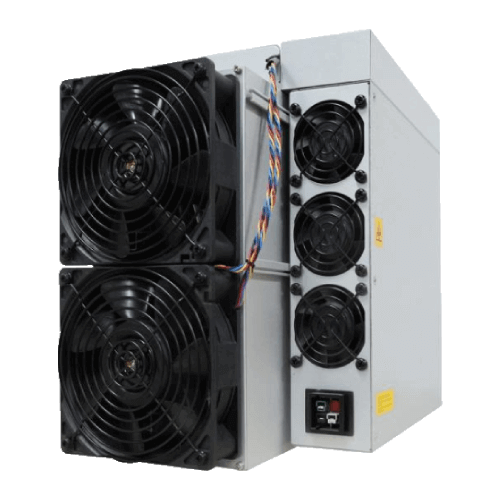
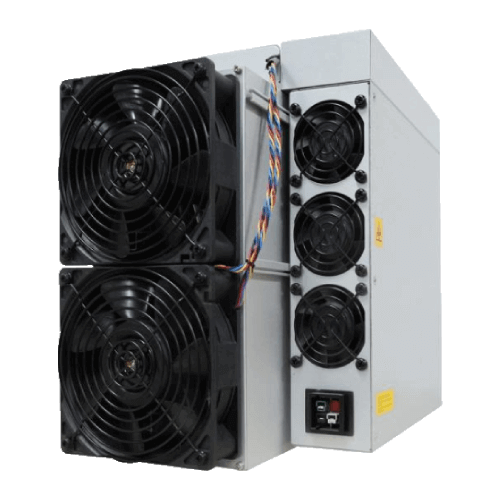
 Antminer Z15 Pro (860 KSol/s)
33 990€
Antminer Z15 Pro (860 KSol/s)
33 990€
-
 Antminer Z15 Pro (840 KSol/s)
33 990€
Antminer Z15 Pro (840 KSol/s)
33 990€
-
 Antminer Z15 Pro (820 KSol/s)
33 990€
Antminer Z15 Pro (820 KSol/s)
33 990€
-
 Antminer AL1 (15.6 TH/s) (Copy)
33 990€
Antminer AL1 (15.6 TH/s) (Copy)
33 990€
-
Antminer AL1 (15.6 TH/s)
33 990€

Product Showcase




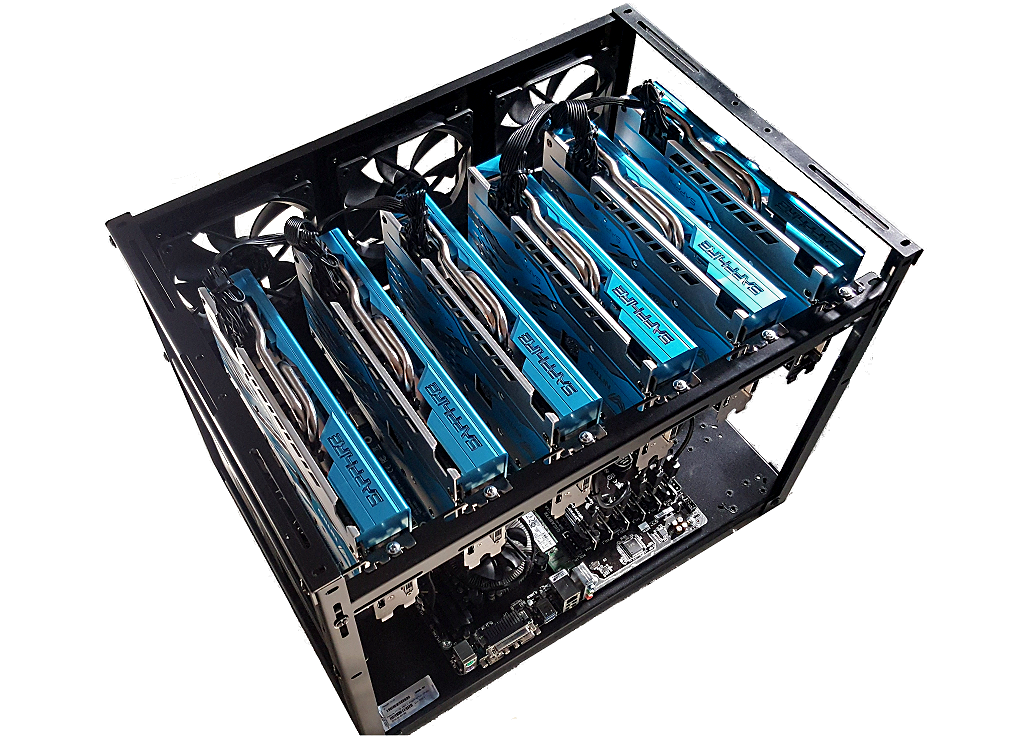 GPU Mining Rigs – profi manufacturing since @2015
 How Mining Works?
 How to Save on Energy up to 3500€ / 1 miner?
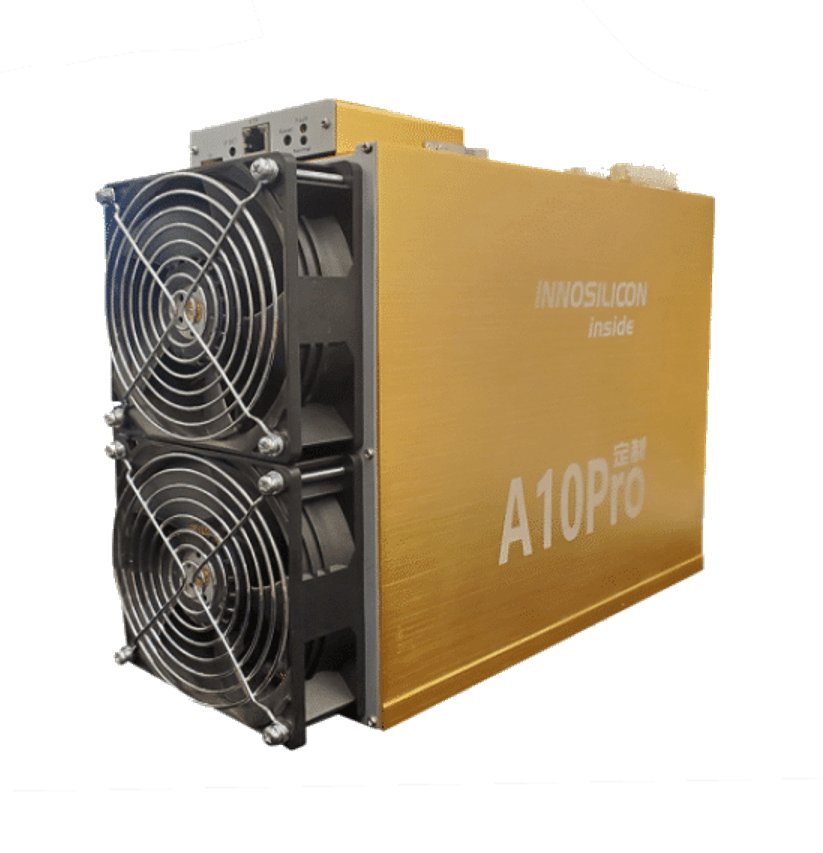 Innosilicon A10 PRO+ 750 MH/s (7GB)
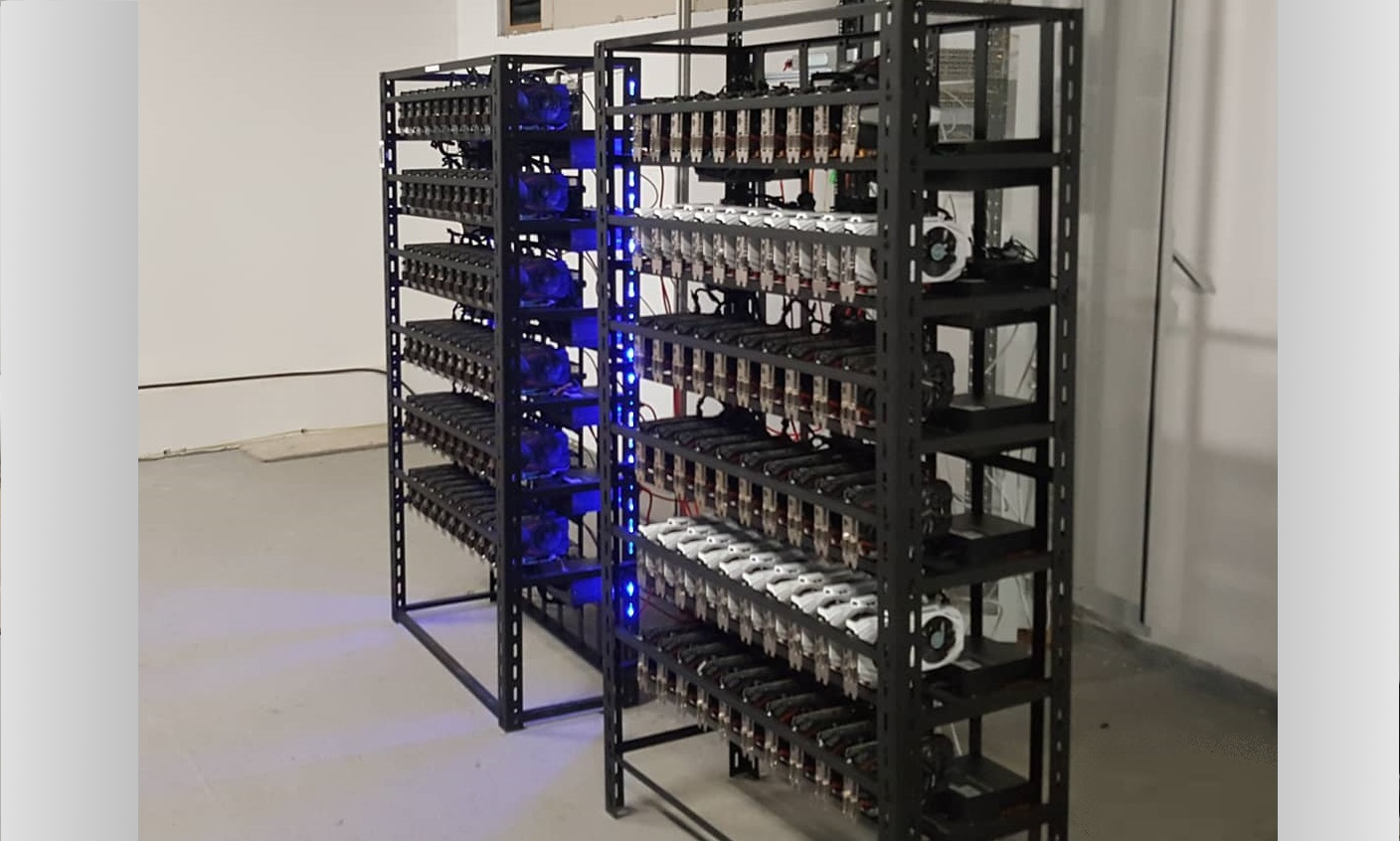 ITCA Dias Enterprise : 60 x GPU
Best ASIC Miners in 2026 — Is Any of Them Worth It in Europe?
Bitcoin trades around $66,000 — up sharply this week after the US–Iran ceasefire lifted the whole market — network difficulty sits near all-time highs, and the newest flagship miner — a 1.16 PH/s hydro monster — still clears only ~$8 of profit per day at €0.10/kWh. So which is the best ASIC miner in 2026? Honest answer: it depends almost entirely on your electricity price, not on the spec sheet. Most “top 10” lists rank machines by raw hashrate and quietly assume American industrial power rates. This guide does the opposite: we compare the best ASIC miners at real European electricity prices, show you which machines actually make money today, and tell you openly which ones don’t.

What changed in 2026
Three shifts define the market this year. First, Bitcoin miners crossed below 10 J/TH: Bitmain’s Antminer S23 generation runs at ~9.5 J/TH, which makes every air-cooled machine from 2022–2023 look expensive to operate. Second, hydro cooling went mainstream for large units — more hashrate, less noise, but home installation is no longer plug-and-play. Third, and least discussed: altcoin ASICs now dominate the profitability rankings. The current profit leader isn’t a Bitcoin miner at all — it’s the Antminer Z15 Pro mining Zcash.
“Most profitable miner” lists — clearing up the confusion
Before the lineup, one thing the market keeps getting wrong. Profitability rankings on calculators change daily with coin prices and difficulty. A machine at the top today (Z15 Pro) got there because Zcash rallied — which also means more Z15s come online, difficulty climbs, and the margin compresses. Also watch out for variant confusion: the “Antminer KS5” exists as 20 TH/s and 21 TH/s (Pro) versions with different power draw, and spec sheets across shops often contradict each other. Always check the exact variant and verify today’s numbers on a live calculator like WhatToMine before paying anything.
The best ASIC miners in 2026, by what they mine
| Machine | Coin / Algo | Hashrate | Power | Best for |
|---|---|---|---|---|
| Antminer S23 Hyd | BTC / SHA-256 | 580 TH/s | 5,510 W | Farms & hosted setups, not homes |
| Antminer S21 XP | BTC / SHA-256 | 270 TH/s | ~3,645 W | Hosted BTC mining at low rates |
| Antminer Z15 / Z15 Pro | ZEC / Equihash | 420–840 ksol/s | 1,510–2,780 W | Today’s profit leader — even at home rates |
| Antminer KS5 (20–21 TH/s) | KAS / KHeavyHash | 20–21 TH/s | 3,000–3,150 W | Bet on Kaspa price recovery (see risks) |
| IceRiver KS5M | KAS / KHeavyHash | 15 TH/s | 3,400 W | Cheaper entry into Kaspa hardware |
| Antminer L9 / L11 | LTC+DOGE / Scrypt | 16–17 GH/s | ~3,260 W | Merged mining two coins at once |
| Antminer X9 (ships Jul 2026) | XMR / RandomX | 1 MH/s | 2,500 W | Early movers — pre-order territory |
Real economics: the best ASIC miner at European electricity prices
Here is the table every other guide skips. Net result per day for three representative machines at three realistic European tariffs — €0.10 (cheap business rate or own solar), €0.18 (good household/business contract), €0.25 (typical EU household). Revenue snapshot from 15 June 2026; these numbers move daily. The Zcash row uses the standard Antminer Z15 (420 ksol/s, 1,510 W) — the model we actually stock.

| Machine (daily revenue) | €0.10/kWh | €0.18/kWh | €0.25/kWh |
|---|---|---|---|
| Antminer Z15 420 — ZEC (~€14/day) | ≈ +€10/day | ≈ +€7.5/day | ≈ +€5/day |
| Antminer S21 XP — BTC (~€7.5/day) | ≈ −€1.5/day | ≈ −€8/day | ≈ −€14/day |
| Antminer KS5 — KAS (~€3.5/day) | ≈ −€4/day | ≈ −€9/day | ≈ −€14/day |
Read that again, because it’s the core of this whole guide: at typical EU household rates, only the Zcash machine is cash-flow positive today. The Z15 stays in profit even at €0.25/kWh precisely because it sips just 1,510 W while Zcash trades strong. Air-cooled Bitcoin mining at €0.18+ loses money with current difficulty — BTC miners only work in Europe at hosted or industrial rates. And Kaspa hardware is priced low right now precisely because it mines at a loss at most tariffs. The higher-end Z15 Pro (840 ksol/s) earns more in absolute terms — roughly €16–22/day net at €0.10/kWh — but costs significantly more and is harder to source.
The risk nobody mentions
- Today’s winner attracts tomorrow’s competition. The Z15’s margin exists because ZEC rallied. High profit → more machines plugged in → difficulty up → margin down. Model your purchase at half of today’s revenue and ask if you’d still buy.
- Negative-cash-flow hardware is a price bet, not an income. Buying a KS5 today only makes sense if you believe in Kaspa’s price recovery and your electricity is cheap. That’s a legitimate strategy — but call it what it is.
- Noise is a dealbreaker at home. These machines run at ~75–76 dB — a vacuum cleaner that never switches off. In an EU apartment or terraced house, that ends the experiment within a week.
- Resale value drops fast. Every new generation (S21 → S23) cuts the resale price of older machines. Your exit price in 18 months will be a fraction of today’s.
Home setup vs hosted mining — the EU reality
The economics table above explains why most of our European customers don’t run miners at home anymore. In a hosting datacentre, the same machine runs at industrial electricity rates, with cooling and noise handled — the difference can reach thousands of euros per machine over its lifetime. At hosted rates, the S21 XP flips from negative to positive, and the Z15 Pro’s margin grows further. If your home tariff is above ~€0.15/kWh, hosting isn’t an upsell — it’s usually the only configuration where the math works.
Who should buy an ASIC miner in 2026 — and who shouldn’t
It makes sense for you if:
- You have electricity under ~€0.15/kWh, own solar production, or you’ll use hosting.
- You can place the machine where 75 dB doesn’t matter (garage, workshop, datacentre).
- You treat it as a 12–24 month position and you’ve modelled a difficulty increase.
- You want to accumulate a specific coin (ZEC, KAS, LTC/DOGE) below market price.
It does not make sense if:
- You pay €0.20+/kWh at home and want to mine Bitcoin in your living room.
- You expect stable, guaranteed monthly income — mining is volatile by design.
- You’d be investing money you can’t afford to see drawn down for months.
FAQ: best ASIC miner questions, answered straight
What is the best ASIC miner in 2026?
What is the most profitable ASIC miner right now?
Is Bitcoin mining profitable in Europe?
Should I buy a Kaspa miner while prices are low?
How loud is an ASIC miner?
New or used ASIC miner — which is better?
Pick a machine that’s profitable at YOUR electricity price
We’ve sold ASIC miners across Europe since 2015, sourcing from 29 wholesalers — and we’ll tell you honestly when a machine doesn’t make sense for your setup. Browse current miners and prices, or place your machine in our hosting datacentre and skip the noise, heat and household tariff entirely. Not sure where to start? Read how to choose the right miner or message us for a free profit calculation.
Disclaimer: We are not financial advisors. Mining profitability changes daily with coin prices and network difficulty; all figures above are a snapshot and not a guarantee of future returns. Do your own research and never invest money you cannot afford to lose.


