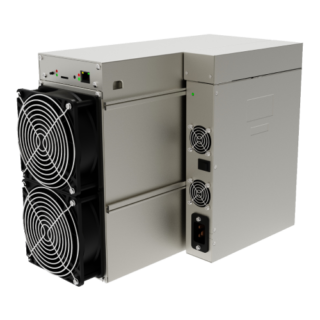
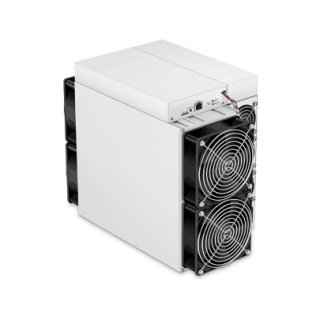
Popular
-
 test1111
Price on Request
test1111
Price on Request
-
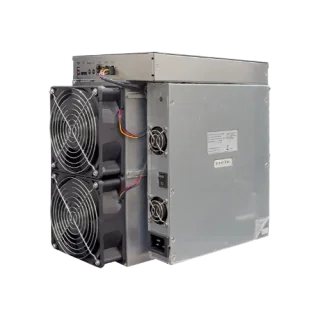 Pinecone Matches INIBOX Pro (2400 MH/s)
33 990€
Pinecone Matches INIBOX Pro (2400 MH/s)
33 990€
-
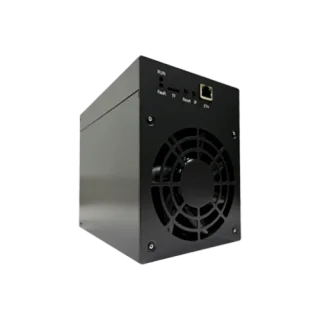 Pinecone Matches INIBOX (850 MH/s)
33 990€
Pinecone Matches INIBOX (850 MH/s)
33 990€
-
 Antminer S23 Hydro 3U (1160 TH/s)
33 990€
Antminer S23 Hydro 3U (1160 TH/s)
33 990€
-
 Antminer S21e XP Hydro (860 TH/s)
33 990€
Antminer S21e XP Hydro (860 TH/s)
33 990€

Product Showcase

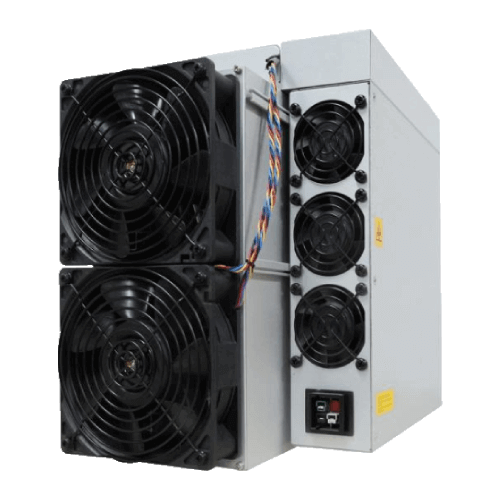

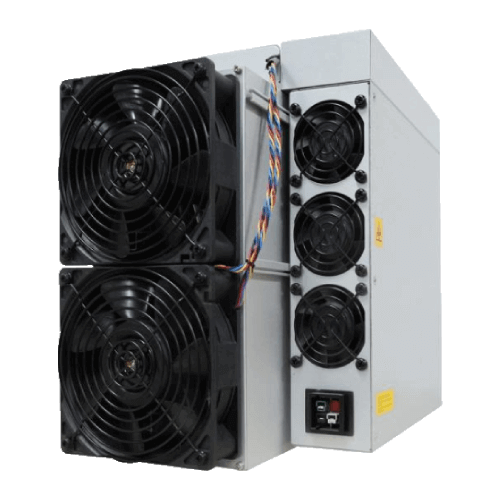


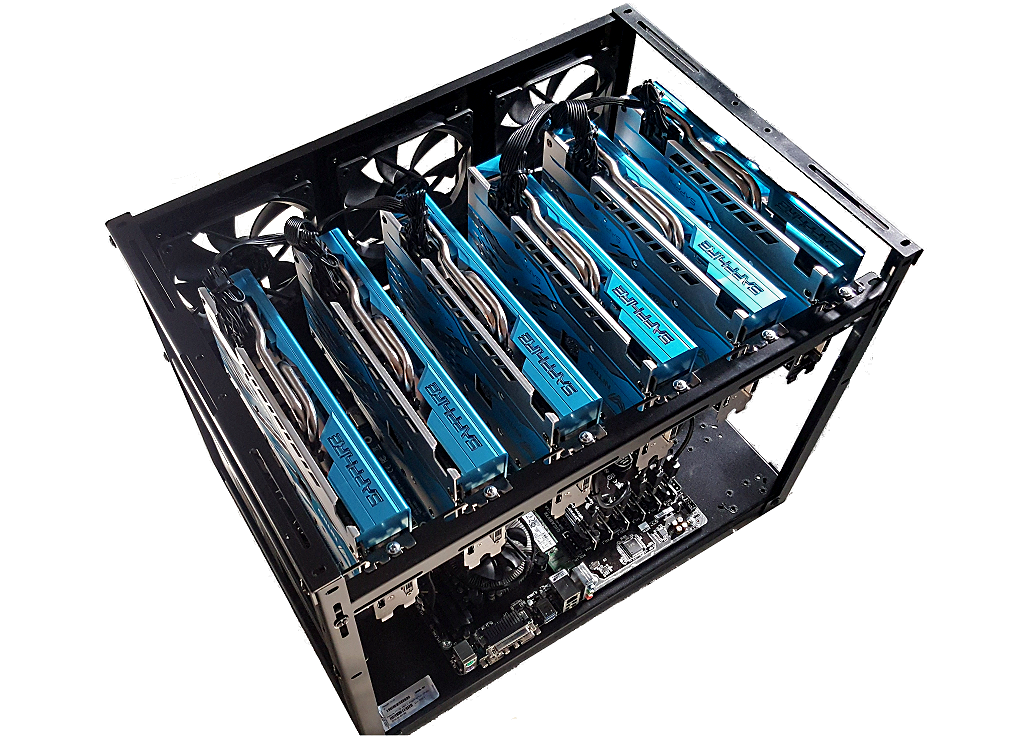 GPU Mining Rigs – profi manufacturing since @2015
 How Mining Works?
 How to Save on Energy up to 3500€ / 1 miner?
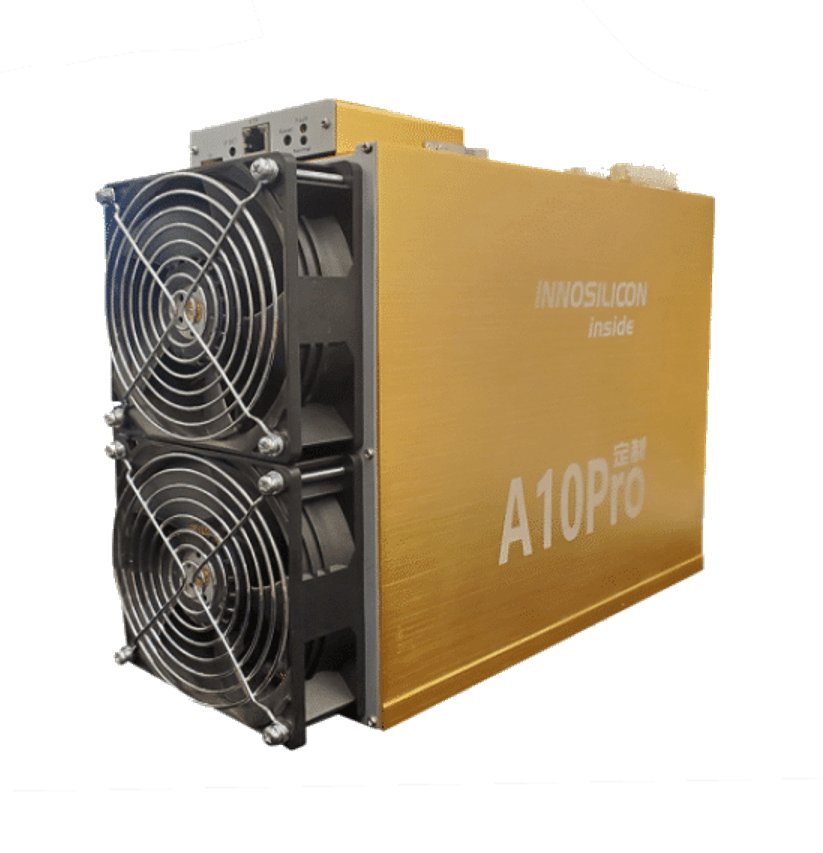 Innosilicon A10 PRO+ 750 MH/s (7GB)
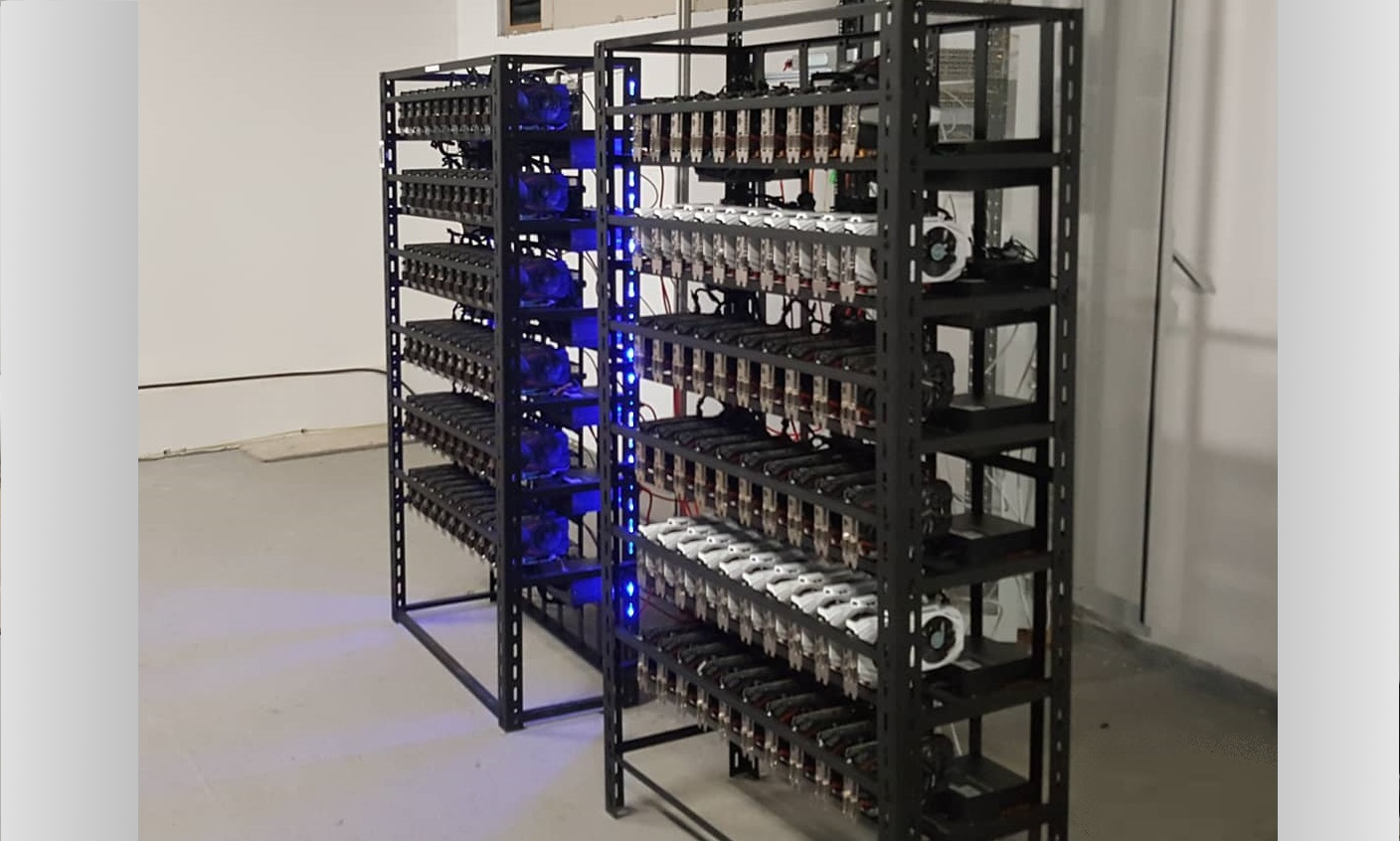 ITCA Dias Enterprise : 60 x GPU
How Does Cryptocurrency Mining Work? A Plain-English Guide
Almost every explanation of how cryptocurrency mining works tells you that “miners solve complex math problems.” That’s the wrong picture — and it’s why mining feels more mysterious than it is. Mining isn’t equation-solving. Instead, it’s closer to a lottery played at incredible speed: a machine guesses enormous numbers billions of times per second until one guess wins. A modern ASIC miner makes roughly 1.16 quadrillion guesses every second. Once you see it as guessing rather than calculating, the whole system — blocks, rewards, difficulty, halvings — suddenly makes sense. We’ve sold mining hardware across Europe since 2015, so this guide explains what actually happens when you plug a miner in, in plain English.
Cryptocurrency mining in one sentence
Cryptocurrency mining is the process where specialised computers compete to add the next “page” of transactions to a blockchain by being the first to guess a winning number. In return, the winner earns newly created coins plus transaction fees. Everything below simply unpacks that sentence.
What mining actually is (it’s guessing, not math)
Every blockchain is a public ledger — a long chain of “blocks,” each containing a batch of recent transactions. To add a new block, a miner has to find a special number called a hash that meets the network’s current target. Here’s the part the “math problem” myth gets wrong: the miner can’t calculate that number. It can only try.
Why it’s guessing, not calculating
The machine takes the block’s data plus a changing value called a nonce, then runs it through a hashing function (Bitcoin uses SHA-256) to get a 64-character output. If that output is below the target — in practice, it starts with enough zeros — the miner wins the block. If not, the machine changes the nonce and tries again. And again. Quadrillions of times per second. Because there’s no shortcut and no formula, raw guessing speed is the only edge. That’s also why we measure miners in hashes per second, and why they burn so much electricity.
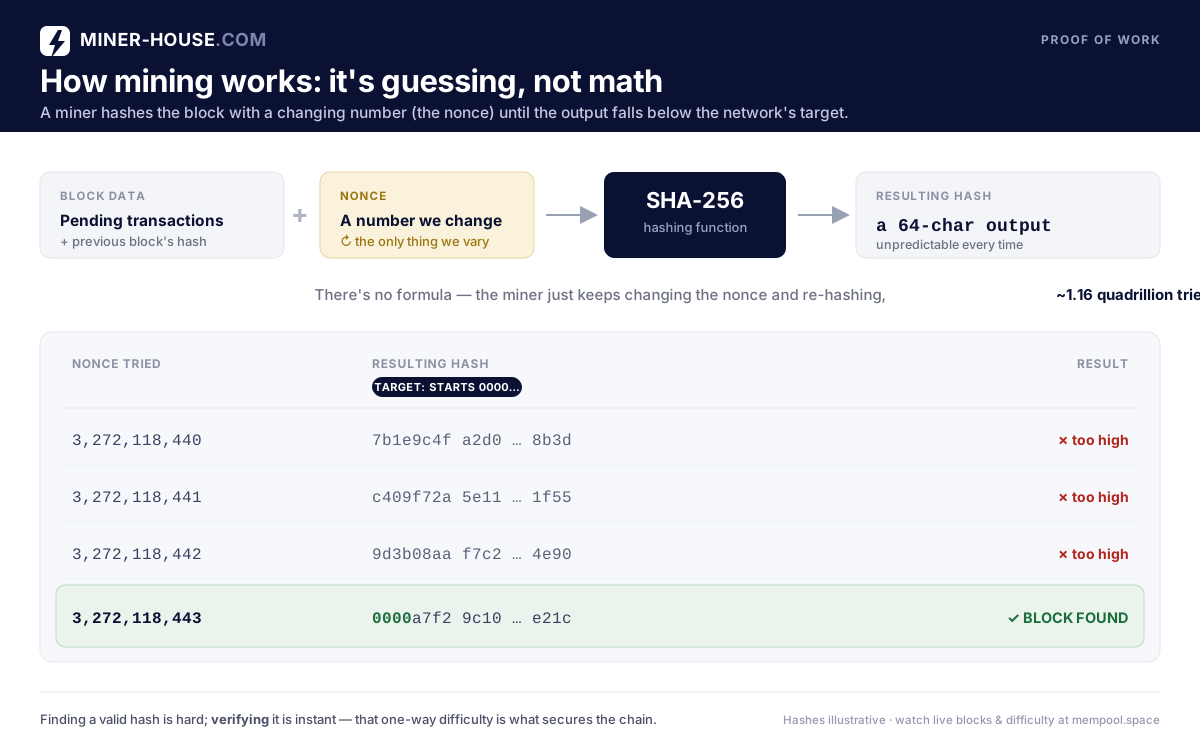
How one block gets mined, step by step
- Transactions gather. People send crypto; these unconfirmed transactions wait in a pool (the “mempool”).
- A miner assembles a block. The miner bundles transactions from the pool into a trial block.
- The guessing race begins. Every miner on the network hashes the block with different nonces, racing to find one below the target.
- A winner appears. The first miner to find a valid hash broadcasts the block to the network — roughly every 10 minutes on Bitcoin.
- The network verifies. Other nodes instantly check the hash. Checking it is easy even though finding it was hard — and that one-way difficulty is the whole trick.
- The winner collects the reward. The winning miner receives the block reward (newly minted coins) plus the transaction fees. Finally, the network adds the block to the chain, and the race starts again.
You can watch this happen live — unconfirmed transactions, new blocks, current difficulty — on a public explorer like mempool.space.
Proof of Work vs Proof of Stake — why you can mine some coins but not others
The guessing race above is called Proof of Work (PoW). It’s what makes a coin “mineable.” But not every cryptocurrency uses it. Many — most famously Ethereum, which switched in 2022 — use Proof of Stake (PoS) instead, where the network picks validators based on the coins they lock up, rather than on computing power. You cannot mine a Proof of Stake coin with hardware. This single distinction decides what’s worth buying a miner for:
| Coin | Algorithm | Mineable? |
|---|---|---|
| Bitcoin (BTC) | SHA-256 (PoW) | Yes — ASIC |
| Zcash (ZEC) | Equihash (PoW) | Yes — ASIC |
| Kaspa (KAS) | kHeavyHash (PoW) | Yes — ASIC |
| Litecoin / Dogecoin | Scrypt (PoW) | Yes — ASIC |
| Ethereum (ETH) | Proof of Stake | No — staking only |
Why your earnings change: difficulty and halving
Two built-in mechanisms constantly reshape what a miner earns.
Difficulty adjustment
The network wants blocks found at a steady pace (every ~10 minutes on Bitcoin). So if more miners join and blocks arrive too fast, the network raises the difficulty until guessing gets harder; if miners leave, it eases again. Bitcoin re-tunes this every 2,016 blocks, or about two weeks. The practical effect is simple: as more hardware comes online, your share of the rewards shrinks even when your own machine never changes.
Halving
Roughly every four years, the network cuts the block reward in half. Bitcoin’s reward dropped to 3.125 BTC per block in April 2024, and it will keep halving until miners produce the last coin around 2140 (there will only ever be 21 million). Because halvings tighten supply, they sit at the heart of mining economics — we cover them in detail in our halving explainer.
What you actually need to mine cryptocurrency
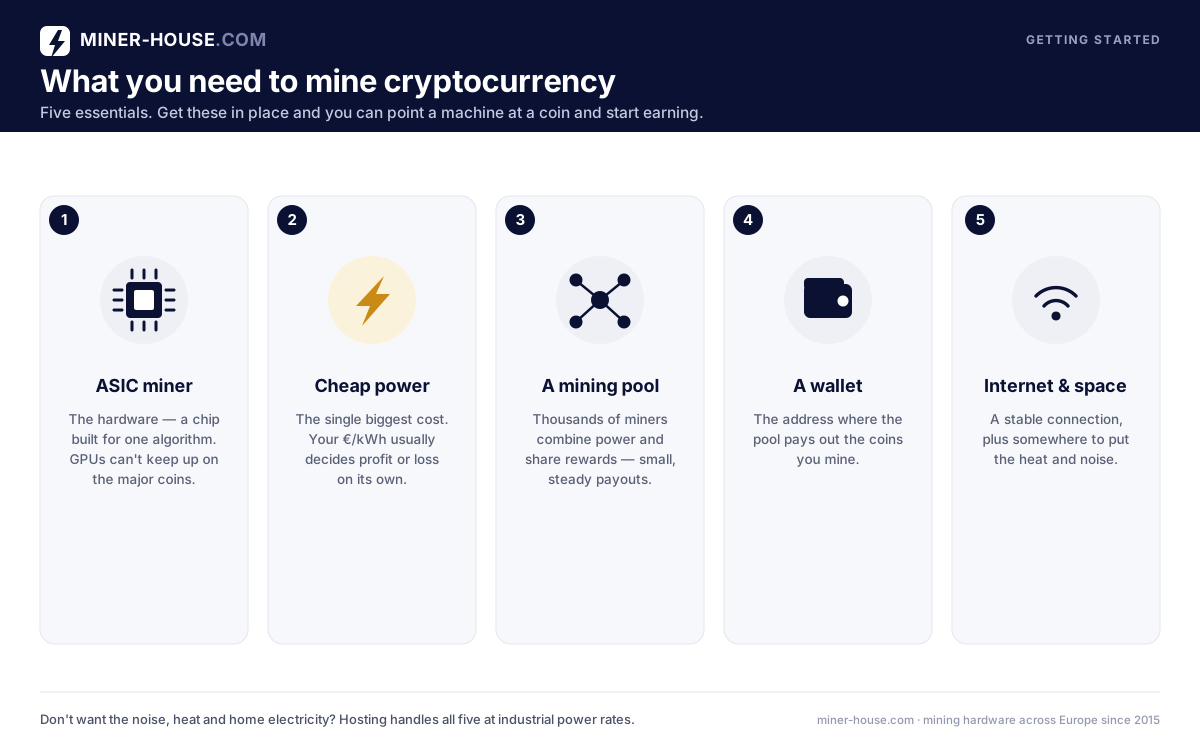
Stripped to essentials, mining takes five things:
- A miner (the hardware). For all the major mineable coins this means an ASIC — a chip built for one algorithm. GPUs still mine a few niche coins, but ASICs dominate Bitcoin, Zcash, Kaspa and Litecoin. Choosing the right one is its own decision — see our 2026 ASIC buyer’s guide.
- Cheap electricity. Power is the single biggest cost and usually decides profit or loss. More on that below.
- A mining pool. Almost nobody mines alone (see next section).
- A wallet. Where the pool pays out your mined coins.
- A stable internet connection and somewhere to put the noise and heat.
Setting the machine up is simpler than most expect — our step-by-step setup guide walks through the first connection.
Solo vs pool mining: why almost everyone joins a pool
Mining solo means you keep an entire block reward — but with the whole planet competing, a single home miner might wait years to ever win one. It’s a lottery with rare, large payouts. Instead, a mining pool combines thousands of miners’ guessing power and splits the rewards in proportion to the work each one contributes. So rather than a tiny chance at a big prize, you get small, steady payouts. For almost every individual miner, therefore, a pool is the sensible choice.
So does cryptocurrency mining actually pay in 2026?
Understanding the mechanism is one thing; whether it’s profitable for you is another. The honest short answer: it depends almost entirely on your electricity price and which coin you mine. At typical European household rates, mining Bitcoin at home loses money today — but lower-power coins can still profit, and hosted/industrial power changes the maths entirely. We break the real numbers down, with European electricity tiers, in is crypto mining profitable in 2026?
FAQ: how cryptocurrency mining works
How does cryptocurrency mining work in simple terms?
Do miners really solve math problems?
Which cryptocurrencies can you mine?
What equipment do I need to start mining?
Why do my mining payouts go down over time?
Can I still mine cryptocurrency at home in 2026?
Understand it? The next step is choosing the right machine
We’ve helped Europeans mine since 2015 — and we’ll tell you honestly whether mining makes sense for your setup. See which machine fits in our 2026 ASIC buyer’s guide, check whether it pays at your power price in our profitability guide, or skip the home electricity and noise entirely with our hosting datacentre. Browse current miners and prices or message us with any question.
Disclaimer: We are not financial advisors. Cryptocurrency mining involves real costs and volatile returns; coin prices and network difficulty change daily. Nothing here is a guarantee of profit — do your own research and never invest money you cannot afford to lose.