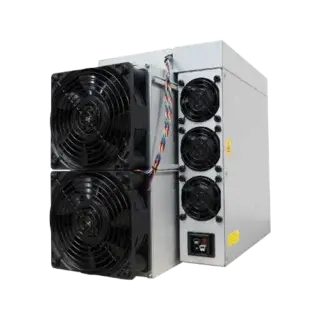
Currently Most Profitable Miner: Antminer Z15 Pro (860 KSol/s) (Zcash) | Buy Miners →

Part of MM-PRO GROUP · Slovakia's largest ASIC dealer since 2015 · Also visit our Slovak shop: ako-tazit-kryptomeny.sk

Solo Bitcoin Miners Still Win Whole Blocks. How Do They Do It?

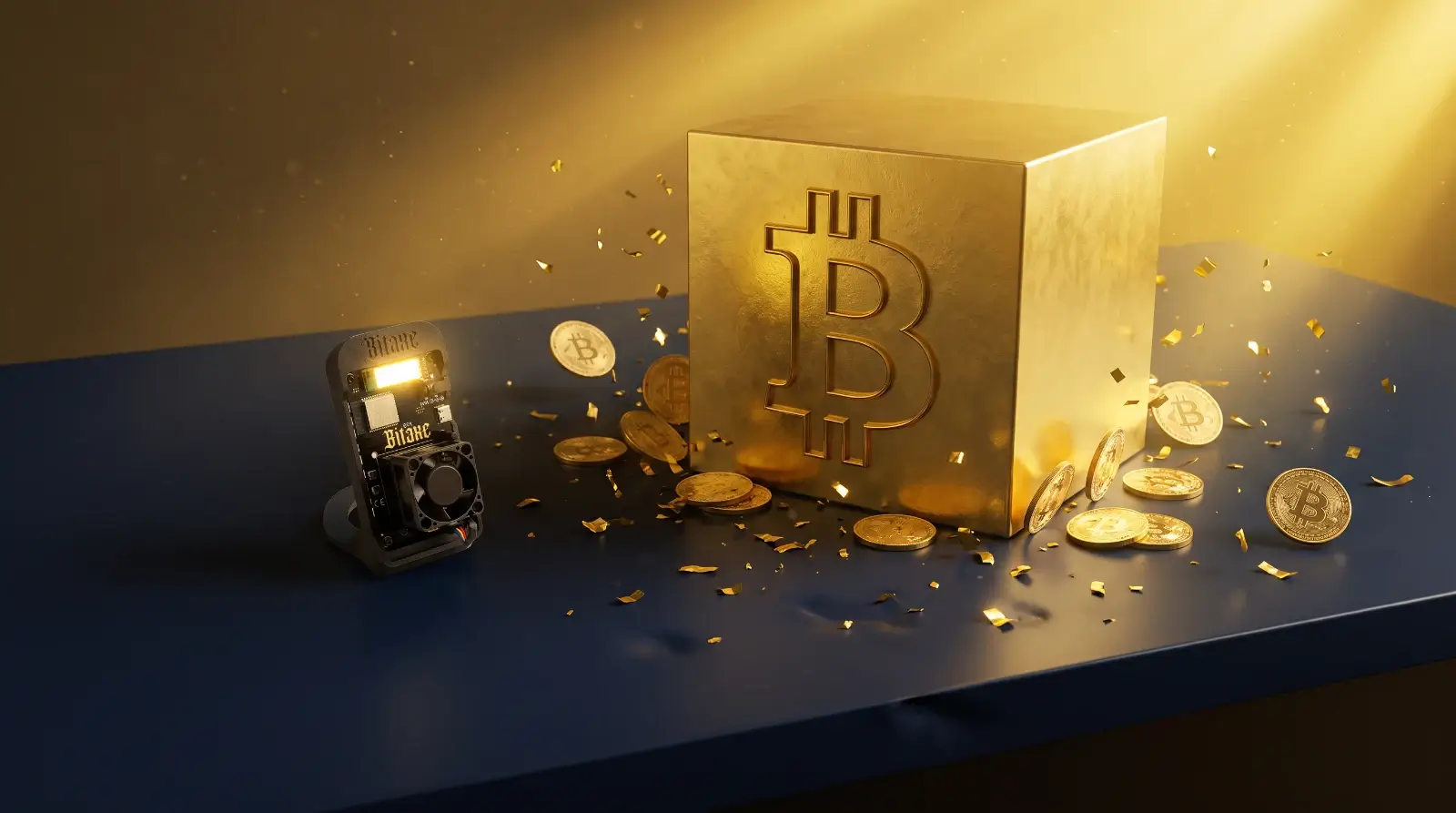
Solo bitcoin miner win — a tiny Bitaxe miner next to a huge gold block with the Bitcoin symbol
  • A solo miner reportedly collected the full 3.125 BTC block reward plus transaction fees, a payout of roughly $200,000 to $300,000.
  • Compact devices such as the Bitaxe Gamma 601 or the Canaan Avalon Nano 3S make home mining possible without a high upfront cost.
  • Several solo pools, including CKPool and Braiins, have reportedly confirmed dozens of successful block finds since 2023.

Most people picture Bitcoin mining as huge industrial halls full of powerful machines. The reality of 2026 is different. Even a small home miner with a device on the desk can win the whole block reward, as reported by Bitcoin News.

Solo Bitcoin miners hit the jackpot

A solo miner recently collected the full 3.125 BTC reward together with transaction fees, a total payout reported at between $200,000 and $300,000. At today's price of about €73,063 per BTC (CoinGecko, 16 October 2026), the 3.125 BTC subsidy alone is worth roughly €228,300. No splitting with a pool. No proportional share. Just a direct payment to your own Bitcoin address. That is the main draw of solo mining Bitcoin: the entire reward belongs to whoever finds the block first.

Pools that open the door to small miners

Several services work as a Stratum proxy, so small miners can take part in solo block attempts without running their own BTC node around the clock. Figures below are as reported.

  • CKPool Solo has the longest history and the most documented wins. The data shows at least 40 solo blocks since mid-2023, with the latest finds from May 2026. The pool charges a 2% fee on the block reward.
  • Public Pool has no fees and is fully open-source. Miners often run it on home Umbrel nodes. The data confirms 7 blocks, with the latest finder succeeding in May 2026.
  • Braiins Solo has recorded 3 confirmed solo blocks, the latest in late May 2026. Braiins is one of the longest-running Bitcoin pool operators and is also behind the development of Braiins OS.
  • Parasite Pool, with its own model, sits in the middle between a pure lottery and steady accumulation. Since its launch around 2025 it has confirmed 2 successful blocks.
  • Futurebit Solo, tied to the Apollo hardware line, lists 3 confirmed blocks going back to October 2024.

The devices behind the wins

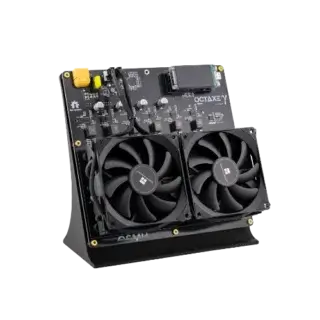
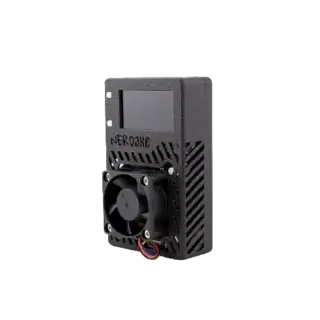
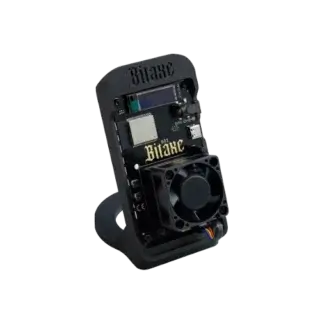
The machines behind these wins are compact, quiet and built for home use. The Bitaxe Gamma 601 is the open-source choice, delivering around 1.2 TH/s at roughly 17 watts. It costs €180 in our shop. You can stack several units to raise your number of chances without a big jump in power use. More open-source options are under our Bitaxe brand.

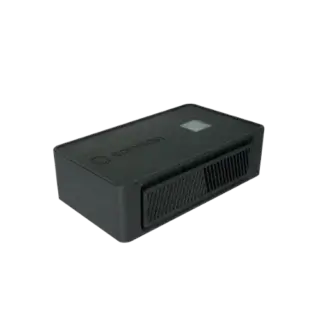
The Canaan Avalon Nano 3S is reported at 6 TH/s and 140 watts. Setup needs no technical knowledge, just a WiFi connection and a Bitcoin address, and the device doubles as a small space heater. The closest model we stock is the Avalon Nano 3 (4 TH/s, €330).

The Futurebit Apollo III is reported as the premium choice, with 10 to 12 TH/s and a built-in Bitcoin node that allows truly sovereign solo mining without an external pool proxy.

The Bitcoin network hashrate is now about 1,032.7 EH/s (mempool.space, 16 October 2026), so a win for a low-power device is an event of very low probability. For a 1.2 TH/s device, the expected time to find a block is roughly 16,400 years. Still, it happens. Across CKPool and other tracked pools, more than 50 confirmed solo wins have been reported since June 2023. Each one meant a six-figure payout for a home miner, and a block created outside the industrial mining ecosystem.

Quick math: expected time to a block = (network hashrate / your hashrate) x 10 minutes. At 1,032.7 EH/s that is about 16,400 years for 1.2 TH/s and about 4,900 years for 4 TH/s. Averages say nothing about the day a block is actually found.

FAQ

Can a small home miner really win a whole block?
Yes, but rarely. Across CKPool and other tracked pools, more than 50 confirmed solo wins have been reported since June 2023.
What does a solo block win pay?
The block reward is 3.125 BTC, about €228,300 at €73,063 per BTC, plus transaction fees. The reported payouts were between $200,000 and $300,000, paid directly to your own Bitcoin address with no pool split.
Which pools support solo mining?
CKPool Solo (2% fee), Public Pool (no fee, open-source), Braiins Solo, Parasite Pool and Futurebit Solo have all reportedly confirmed blocks.
How long would a Bitaxe Gamma 601 take to find a block?
On average about 16,400 years at the current network hashrate of 1,032.7 EH/s. That is an average, not a schedule: a block can be found on any day or never.

Want a ticket of your own?

See the Bitaxe Gamma 601 or browse all Bitaxe devices.

Solo (lottery) mining is a game of chance, not an investment. Expected earnings of a small device are usually lower than its electricity cost, and a block win is not guaranteed. Pool and block figures are as reported by third parties and are not Miner-House data.

Your Cart

Your Cart

Your Cart is Empty

Start Shopping
Continue Shopping
Payment Details
Sub Total 0€