Category
Popular
Product Showcase
- Kaspa mining is loss-making on most machines: figures reported on 3 October 2026 show every common IceRiver KS model in the red even with our hosting from €0.09/kWh (Norway / Finland).
- The cause is a mix of a weaker KAS price and a network hashrate that grew from a few petahashes to hundreds.
- Check any machine yourself with the formula below and the live profitability comparison, because price and difficulty change daily.
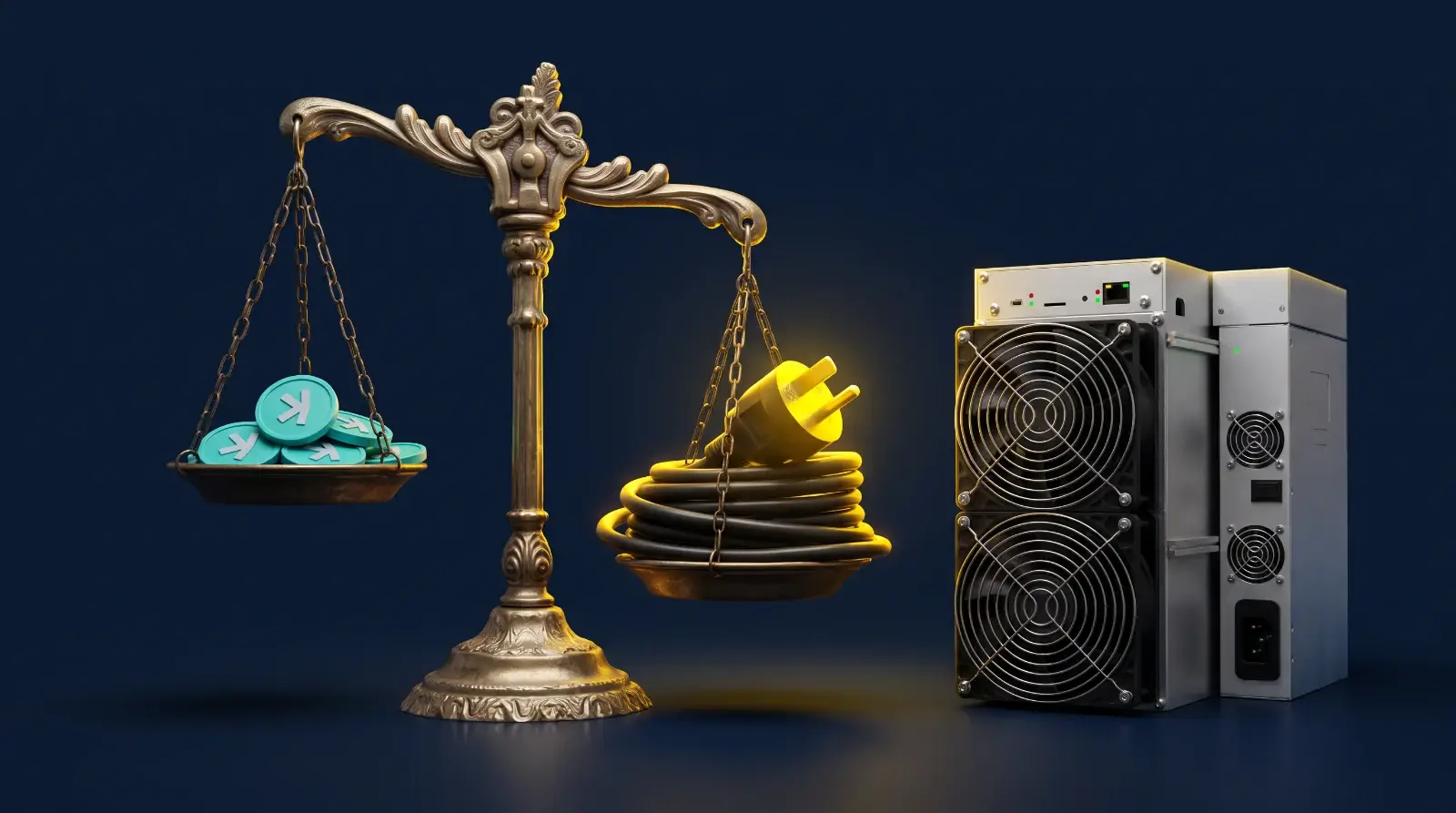
Is Kaspa mining profitable in 2026? On the vast majority of machines, no, even after the KAS price rose by roughly 65% since the end of August to about $0.043 (reported, 3 October 2026). We give the answer straight away instead of an introduction: all common IceRiver KS models stay in the red even with our hosting from €0.09/kWh (Norway / Finland). Kaspa has excellent technology and an enthusiastic community, but the economics of mining turned upside down over the last two years: network difficulty jumped, and machines that once earned hundreds of euros a month now lose money. In this article you will find concrete numbers for individual models, and then what is worth mining instead of Kaspa if you want a machine that really earns.
What is Kaspa and why do people like it
Kaspa (KAS) is a proof-of-work cryptocurrency launched in 2021 and built on the GhostDAG protocol. Instead of a classic chain of blocks it uses a blockDAG, a structure in which parallel blocks can exist side by side instead of cancelling each other out. That lets it handle extremely fast blocks (today ten per second) without losing security.
For a miner it had one very pleasant property: rewards arrive in small, steady portions instead of rare big wins. Mining on the kHeavyHash algorithm was at first possible on graphics cards too, but since 2023 ASICs from Bitmain, IceRiver and Goldshell have taken it over completely. And that flood of machines then set off the problem we are dealing with today.
Is Kaspa mining profitable? The numbers for real machines
Let's get to the numbers. With a KAS price of about $0.043, a network hashrate of roughly 356 PH/s and a block reward of 2.18 KAS (at 3 October 2026), the yield works out at about $0.22 per terahash per day (WhatToMine, hashrate.no and CoinGecko, 3 October 2026). The table below uses our hosting from €0.09/kWh (Norway / Finland), one of the cheapest electricity prices you can get. All yield and result columns are figures as reported on 3 October 2026, at an ECB rate of 1.1225 USD/EUR.
Quick math: daily revenue = (your hashrate / network hashrate) x 864,000 blocks per day x block reward x KAS price. At the reported inputs, 1 TH/s earns about 5.3 KAS, roughly $0.22 to $0.23 per day. Daily electricity cost = kW x 24 x price per kWh. The Kaspa block reward falls every month by a factor of 2^(-1/12), roughly 5.6%, so the 2.18 KAS is a 3 October 2026 value. Replace the inputs with today's values before you decide anything.
| Machine | Hashrate | Power | Revenue/day (reported) | Electricity/day | Result/month (reported) | Our price |
|---|---|---|---|---|---|---|
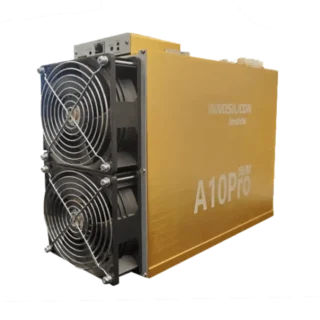
| IceRiver KS0 Ultra | 0.4 TH/s | 100 W | €0.08 | €0.22 | -€4 | €420 |
| IceRiver KS1 | 1 TH/s | 600 W | €0.20 | €1.30 | -€33 | not stocked |
| IceRiver KS2 | 2 TH/s | 1,200 W | €0.39 | €2.59 | -€66 | not stocked |
| IceRiver KS3M | 6 TH/s | 3,400 W | €1.18 | €7.34 | -€185 | €1,999 |
| IceRiver KS5L | 12 TH/s | 3,400 W | €2.35 | €7.34 | -€150 | €4,670 |
| IceRiver KS5M | 15 TH/s | 3,400 W | €2.94 | €7.34 | -€132 | €7,270 |
The numbers are merciless. Not one of these machines turns a profit, and that is at an electricity price a typical household does not have. At home, at €0.20/kWh, the loss is roughly two to three times higher. What matters here is the ratio of hashrate to power: at today's network yield, no older KS model covers even its electricity cost.
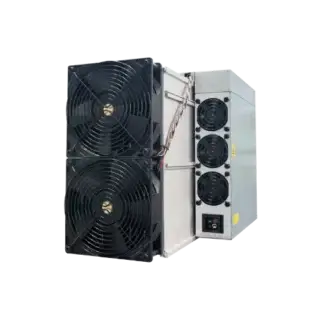
The exception is mainly the newest generation, the Antminer KS7 (45 TH/s at 3,465 W). At an electricity rate of €0.09/kWh it roughly breaks even, reportedly about +€40 a month, and weaker versions of the machine can already be in the red. You can check the current network state and the KAS price at any time in the live calculator; treat its data as a check, not as the only source. If you want a Kaspa miner anyway, browse the Kaspa miner category.
Why Kaspa mining stopped adding up
Three things are behind today's situation, and they hit at the same time:
- The KAS price is far from old levels. At the end of August 2026 it fell as low as $0.026, and although it has bounced to about $0.043 since (reported, 3 October 2026), that is not enough for the profitability of common machines. Mining revenue follows the coin price one to one.
- Difficulty stays high. Network hashrate grew from a few petahashes to hundreds when manufacturers flooded the market with ASICs. The same machine therefore earns a fraction of what it did a year ago.
- Older KS machines are inefficient. The KS3M, for example, uses 3,400 W for 6 TH/s. That was competitive in 2024, but today it loses money, and even cheap electricity cannot make up for it.
It is the same mechanism as we discussed in mining profitability, only with Kaspa it hit harder and faster.
When Kaspa mining would pay again
This will not last forever. Kaspa is not a dead project and the economics can turn around. But at least one of these three things would have to happen:
- The KAS price would have to rise sharply. The KS5M would turn a profit at roughly 2.5 times today's price, around $0.11 per KAS (2.5 x $0.043 = $0.1075; the machine's reported revenue of €2.94 a day against €7.34 of electricity).
- Difficulty would have to fall. If inefficient machines start dropping off in large numbers, network hashrate falls and the share of rewards for those who stay goes up.
- A much more efficient machine would have to arrive. In other words, a leap like the one the Antminer KS7 brought over the older generation would have to come once more.
If you believe in Kaspa long term, there is a legitimate line of thought: machines are cheap today precisely because they do not earn, and buying in such a period is a bet on a turnaround. But be honest with yourself. It is speculation on the KAS price rising, not an investment in today's cash flow. That is our view, not a certainty. If you need a machine to earn from the first month, read on.
What to mine instead of Kaspa
The good news is that "mining does not pay" and "Kaspa mining does not pay" are not the same thing. At the same electricity rate (€0.09/kWh) there are algorithms where the numbers look much better. Figures below are as reported on 3 October 2026 (MiningNow, 2 October 2026 for the Z15 Pro and L9):
| Machine | Coin | Revenue/day (reported) | Electricity/day | Net/month (reported) |
|---|---|---|---|---|
| Antminer Z15 Pro (840 ksol) | Zcash | €45.55 | €6.00 | +€1,186 |
| Antminer L9 (17 GH/s) | DOGE + LTC | €9.17 | €7.71 | +€44 |
| IceRiver KS5M (15 TH/s) | Kaspa | €2.94 | €7.34 | -€132 |
Net per month = (revenue/day - electricity/day) x 30. The full comparison of machines across algorithms is on the profitability comparison page, which is recalculated live.
Zcash: the highest profit, but also the highest risk
Zcash is having a renaissance. ZEC costs around $1,290 today (CoinGecko, 2 October 2026), and at an electricity rate of €0.09/kWh the Antminer Z15 Pro is reportedly among the most profitable machines on the market. There is a catch, though: it is a bet on a single volatile coin, and the network is fairly concentrated. On top of that, privacy coins face regulatory pressure in the EU. You will find a detailed breakdown in our Antminer Z15 Pro review.
Dogecoin and Litecoin: really a bet on Dogecoin
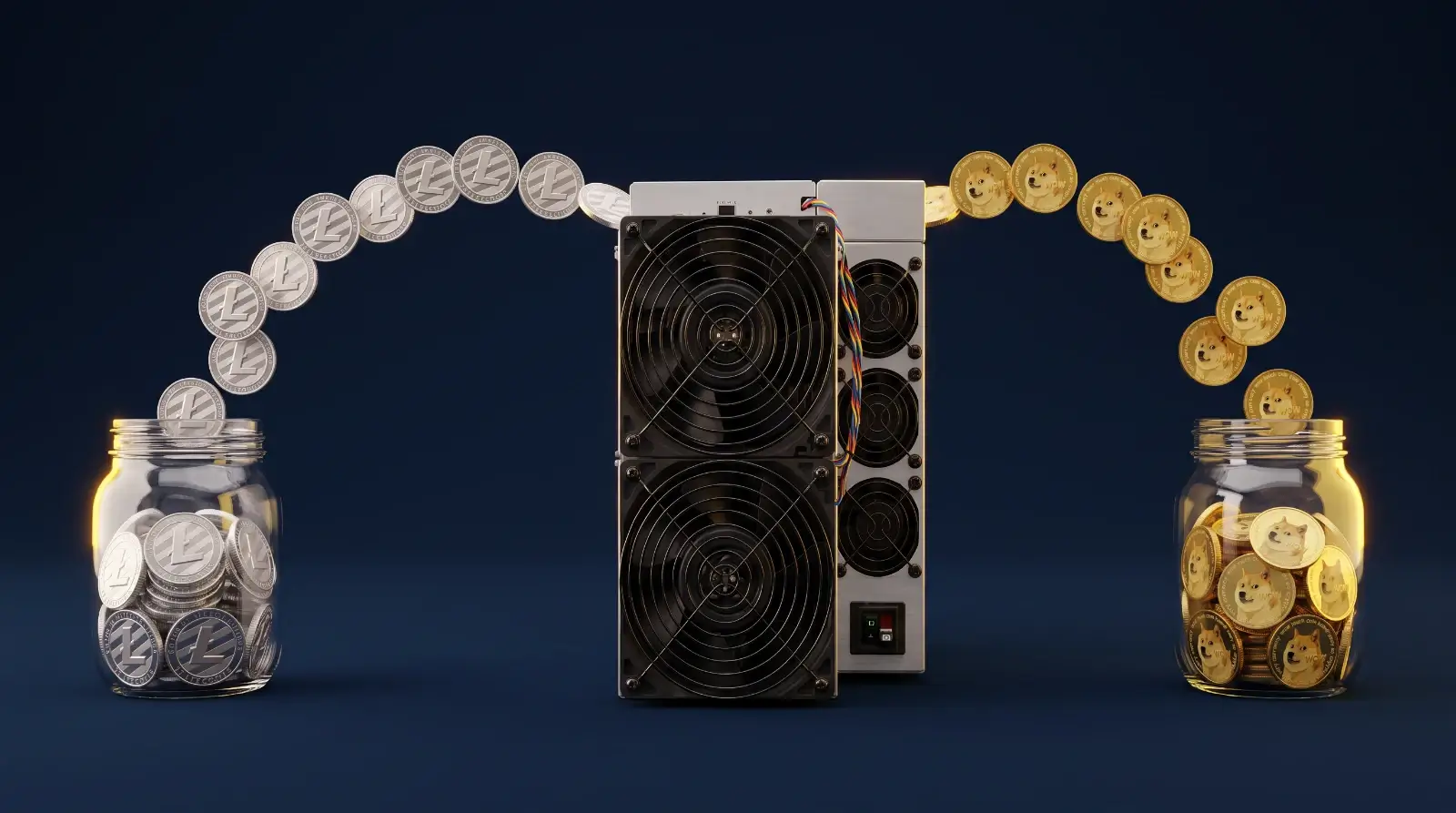
Thanks to merged mining, the Antminer L9 mines Litecoin and Dogecoin at once: one power draw, two rewards. But over 80% of the revenue today comes from Dogecoin, so in practice the L9 is a bet on the DOGE price. With our hosting at €0.09/kWh it earns only a little, and on household electricity it is in the red. We go through all the numbers and the sensitivity to the DOGE price in our Antminer L9 review. The closest models we stock are the Antminer L9 (16,000 MH/s) at €3,070 and other Scrypt machines in the Litecoin miner category.
Frequently asked questions
Is Kaspa mining profitable in 2026?
Why did Kaspa mining stop adding up?
Can you mine Kaspa on a graphics card?
What is worth mining instead of Kaspa?
Does it make sense to buy a Kaspa miner as a bet on the future?
Not sure which machine fits your electricity price?
We will help you choose based on your electricity price. Compare machines on the profitability comparison, see our hosting from €0.09/kWh (Norway / Finland), which lowers the electricity cost of any machine, read how to choose the right miner, or browse the Kaspa miners we stock.
Figures are indicative and valid as of 3 October 2026: KAS $0.043 (CoinGecko), network hashrate about 356 PH/s, block reward 2.18 KAS and yield about $0.22 per TH/s per day (WhatToMine, hashrate.no), L9 revenue $10.29/day and Z15 Pro $51.13/day (MiningNow, 2 October 2026), ZEC about $1,290 (CoinGecko, 2 October 2026), electricity €0.09/kWh, ECB rate 1.1225 USD/EUR. They do not include pool fees or machine depreciation. Coin prices and difficulty change daily, so always check it in the live calculator. Mining is not guaranteed to be profitable and this text is not investment advice. Reported figures are from third parties, not Miner-House data.
Written by Denis
Best offers
Join Risk Free
30 days refund
100% Safe
Secure Shopping
24x7 Support
Online 24 hours
Best Offers
Grab Now
Free Shipping
On all order over
Know Us
- Top SK-CZ vendor since 2015, now expanding across EU
- Buy directly from our EU wholesalers
- 29 wholesalers = always lowest ASIC prices
- Up to 2-year warranty on Bitmain miners
- Personal support: miner choice, profit calculation
- Free miner setup