Currently Most Profitable Miner: Antminer Z15 Pro (860 KSol/s) (Zcash) | Buy Miners →

Part of MM-PRO GROUP · Slovakia's largest ASIC dealer since 2015 · Also visit our Slovak shop: ako-tazit-kryptomeny.sk

NerdQaxe and Bitaxe – the New Generation of Home Lottery Bitcoin Miners

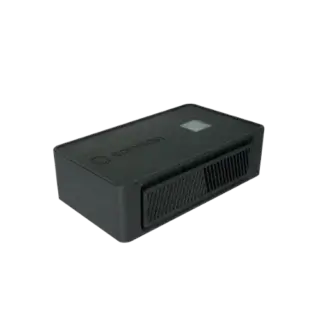
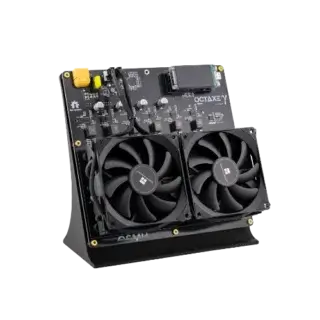
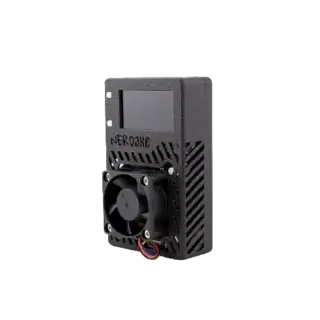
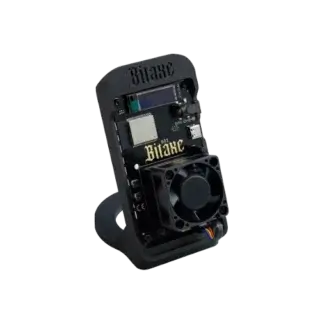
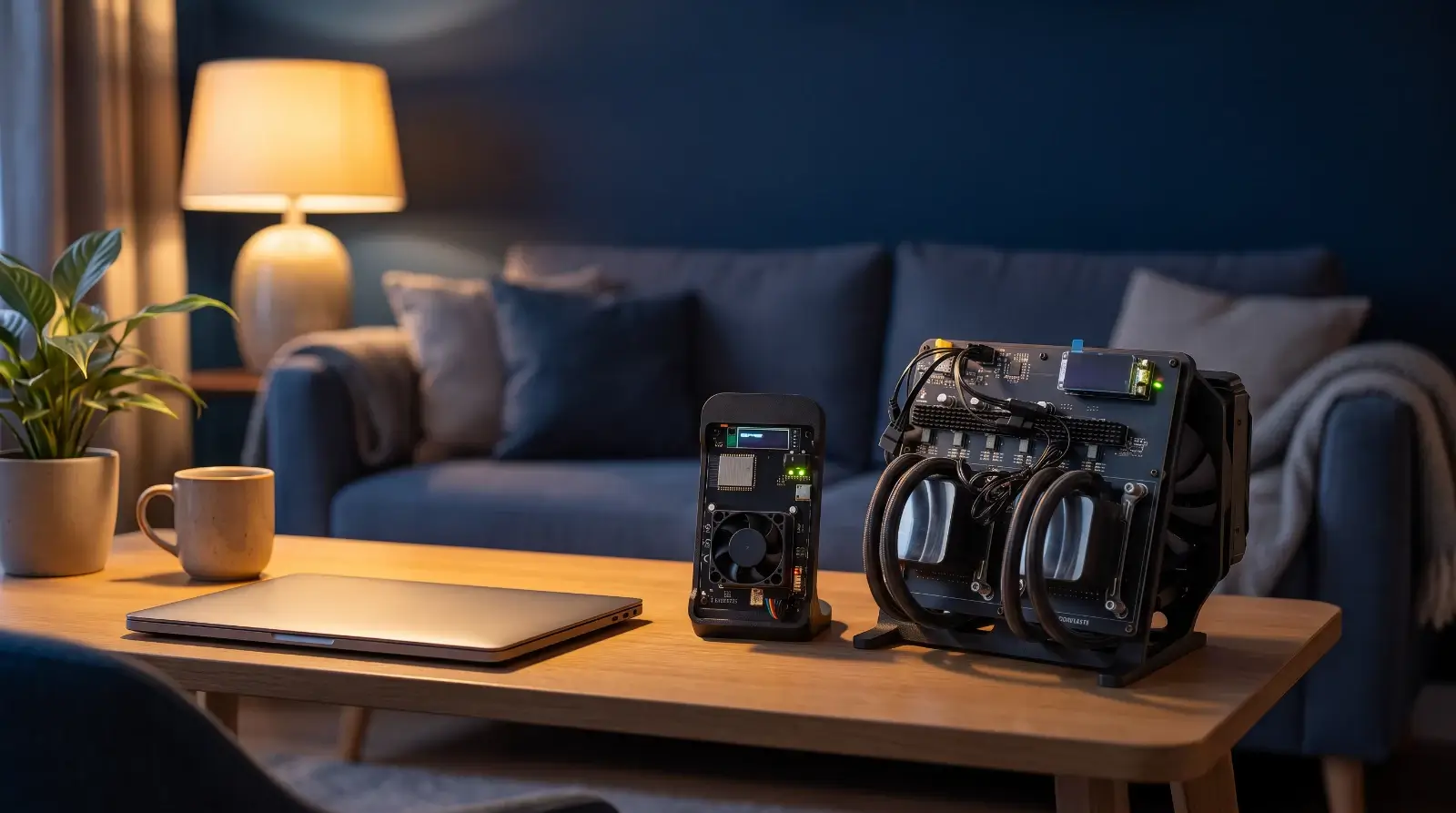
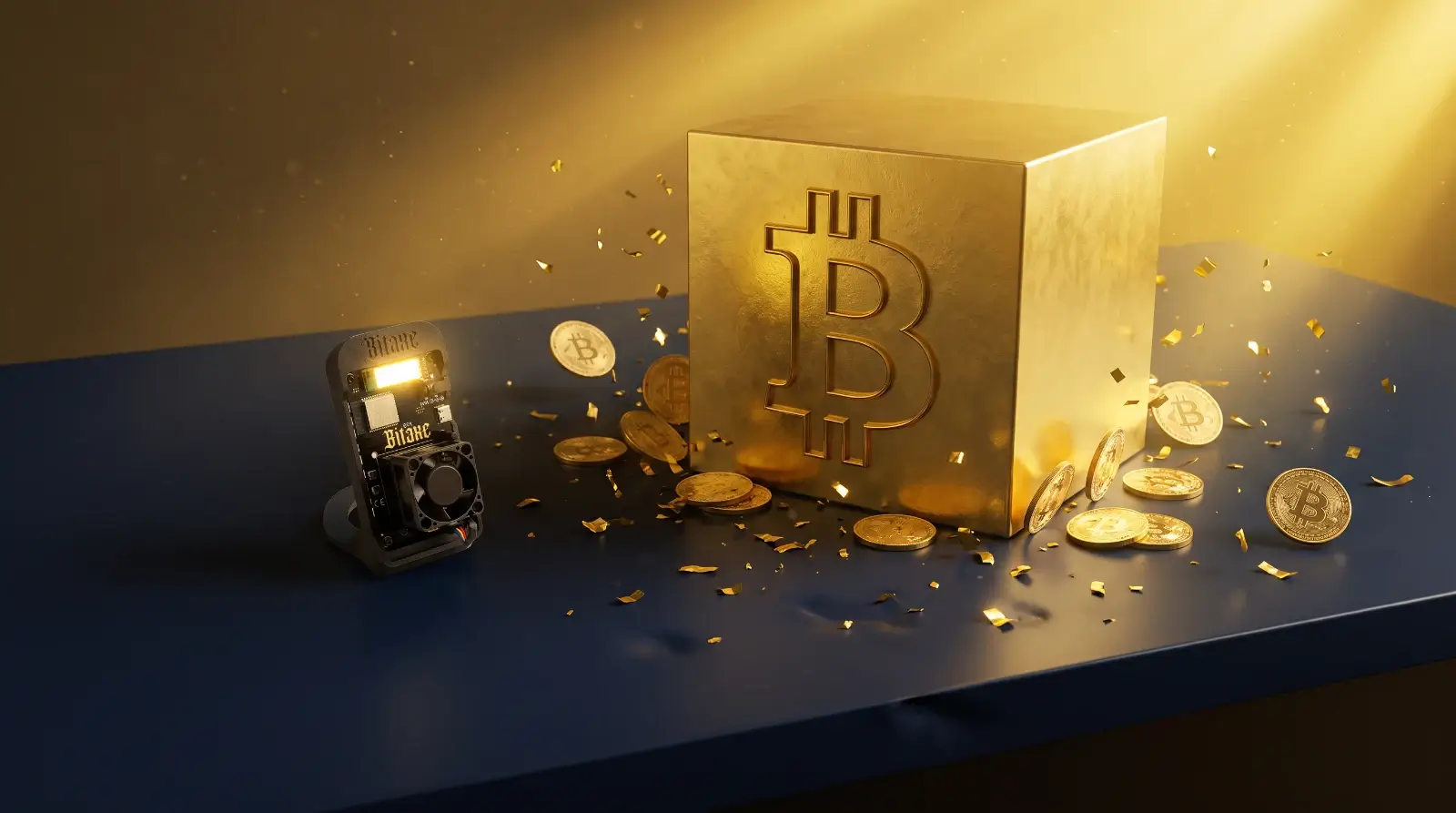
NerdQaxe and Bitaxe home lottery bitcoin miners running quietly on a living room coffee table

Crypto mining has changed a lot in recent years. Where huge farms with thousands of ASIC machines once dominated, a new trend is emerging: home, decentralised Bitcoin mining. This is where the Bitaxe miner and the NerdQaxe come in — devices that belong to the so-called lottery miners.

A lottery miner is a small device built for solo mining Bitcoin. Instead of a steady payout from a pool, it works like a lottery. If the device finds a block on the Bitcoin network, it receives the full block reward — currently 3.125 BTC, about €228,300 at €73,063 per BTC (CoinGecko, 16 October 2026). The probability is low, but that is exactly what makes home miners an appealing project for tech enthusiasts and fans of decentralisation.

Models such as the NerdQaxe++ or the Bitaxe Gamma let you join the Bitcoin network straight from home — no loud servers, no huge electricity bills, no complicated setup.

Features of the Bitaxe and NerdQaxe

Bitaxe and NerdQaxe devices are designed to make mining accessible to individuals. Compared with classic ASIC miners, they have several major advantages.

Quiet operation

Reported noise is around 40–50 dB, comparable to an ordinary fan or a laptop. That means you can put the miner right on your work desk.

Simple setup

The Bitaxe works plug-and-play. Once connected, the device joins your Wi-Fi network and configuration is done through a web interface.

Compact design

A mini miner fits on a shelf or a desk and needs no special infrastructure.

Open-source technology

Both hardware and software are open source, so users can modify the firmware, tune performance or experiment with their own changes.

What is Bitaxe?

Bitaxe is an open-source project focused on building small ASIC miners for home Bitcoin mining. The device uses modern mining chips, the same kind used in professional miners, but in a much smaller and more energy-efficient package.

One of the biggest strengths of the Bitaxe is its transparency and openness. Users have access to:

  • hardware designs
  • printed circuit board schematics
  • miner firmware
  • development tools

That lets the community keep improving the project. This development model is very close to the philosophy of Bitcoin itself: decentralisation and open code.

More advanced models such as the NerdQaxe++ use modern ASIC chips and offer higher performance at still-low power consumption.

Resources and the open-source community

The Bitaxe project is built on a strong open-source community. All the important components are publicly available, which means anyone can:

  • inspect the source code
  • modify the firmware
  • develop new hardware versions
  • share improvements with the community

Available resources include, for example:

  • PCB designs
  • hardware documentation
  • ESP-Miner firmware
  • development tools

The community around the project works mainly on platforms such as GitHub, Discord and community wiki pages. Thanks to these resources the Bitaxe project is developing quickly and gaining popularity among Bitcoin enthusiasts.

The odds, in numbers

Expected time to find a block is (network hashrate ÷ your hashrate) × 10 minutes. The network currently runs at 1,032.7 EH/s (mempool.space, 16 October 2026), and there are 52,560 blocks a year.

HashrateExpected time to one block (average)
0.5 TH/sabout 39,300 years
1.2 TH/sabout 16,400 years
4 TH/sabout 4,900 years
12 TH/sabout 1,640 years

It is an average, not a schedule: a block can come on any day, or never. That is why it is a lottery and not an income.

Buy a NerdQaxe or a Bitaxe

If you want to start home crypto mining, the Bitaxe and NerdQaxe are among the most interesting devices for hobby miners. When choosing a model, it is worth looking mainly at:

  • hashrate (the miner's performance)
  • power consumption
  • cooling type
  • open-source modification options

Popular models include, for example:

  • Bitaxe Gamma 601 (1.2 TH/s, €180) — a compact miner for beginners
  • NerdQaxe++ — a powerful home miner, reportedly around 4.8 TH/s (not in our range)
  • NerdOCTAxe Rev 3.1 (12 TH/s, €490) — a more powerful version for more demanding users

If you want a step between them, we also stock the NerdQaxe+ (2.5 TH/s, price on request). You can browse the full ranges under Bitaxe and NerdMiner.

These devices let you join the Bitcoin network straight from home while supporting the decentralisation of the crypto ecosystem.

TL;DR: Bitaxe and NerdQaxe in short

What it is: Compact, open-source devices for home solo Bitcoin mining (so-called lottery miners).
Main advantages: Low reported power draw (about 18 W for a Bitaxe Gamma 601, about 76 W for a NerdQaxe++; the 12 TH/s NerdOCTAxe draws more), quiet operation (reported 40–50 dB) and easy setup over Wi-Fi.
How it works: You do not join a pool with a steady payout. You play the "lottery": if your device finds a block, you get the whole block reward.
Who it is for: Hobby miners and enthusiasts who want to support Bitcoin's decentralisation from the living room and do not need loud server rooms for it.

FAQ

What is a Bitaxe miner?
A Bitaxe is a small open-source ASIC miner for home solo Bitcoin mining. It connects over Wi-Fi, is configured through a web interface and uses the same kind of mining chips as professional machines.
How is a lottery miner different from pool mining?
A pool pays small steady shares. A lottery miner mines solo: if it finds a block it keeps the full reward of 3.125 BTC, otherwise it earns nothing.
What are the chances of finding a block?
Very low. At a network hashrate of 1,032.7 EH/s, the average wait is about 16,400 years at 1.2 TH/s and about 1,640 years at 12 TH/s. These are averages, so a block can come on any day, or never.
Are Bitaxe and NerdQaxe miners really quiet?
Reported noise is around 40–50 dB, comparable to a fan or a laptop, so they can sit on a desk.

Pick your home lottery miner

Browse the Bitaxe and NerdMiner ranges, or see all Bitcoin miners.

Disclaimer: Solo or lottery mining is a game of chance, not an investment, and no income is promised. Figures such as noise, power draw and the NerdQaxe++ hashrate are reported values, not Miner-House measurements. Network hashrate (mempool.space) and the Bitcoin price (CoinGecko) are as of 16 October 2026 and change continuously. Never spend money you cannot afford to lose.

Your Cart

Your Cart

Your Cart is Empty

Start Shopping
Continue Shopping
Payment Details
Sub Total 0€