Popular
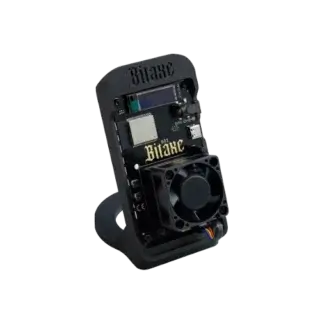
Product Showcase


Zcash trades near $486 after rallying roughly 950% from its September 2025 lows. That alone would make people ask how to mine Zcash — but the number that actually matters is stranger. While the price ran, ZEC network difficulty barely moved: CoinWarz recorded a 0.00% change over 24 hours, 7 days, 30 days and 90 days, holding flat in the 132–139 million range. Mining difficulty sits at historic lows relative to price, which is an unusual and temporary combination. This guide covers everything you need — hardware, pools, wallets and the real European economics — and it's honest about the thing sellers leave out: the window is already closing, and we can name the date.
What Zcash is, and why you can mine it
Zcash launched in 2016 from Bitcoin's codebase, adding one significant feature: each transaction can be public or private. It shares Bitcoin's monetary design too — a 21 million coin cap, of which about 16.86 million circulate, and halvings that cut the block reward roughly every four years. The current reward stands at 1.25 ZEC per block.
Crucially, Zcash runs on Proof of Work using the Equihash algorithm, which is what makes it mineable at all. A hybrid-finality proposal exists in research, yet it has no launch date, so mining hardware remains the way ZEC is produced. If the underlying mechanism is new to you, our explainer on how mining works covers the fundamentals first.
What you need to mine Zcash
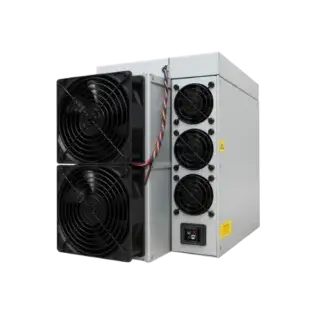
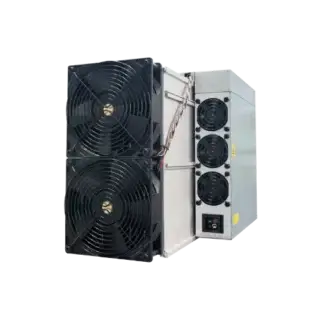
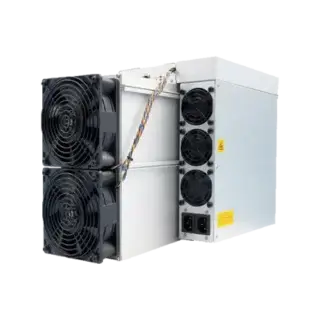
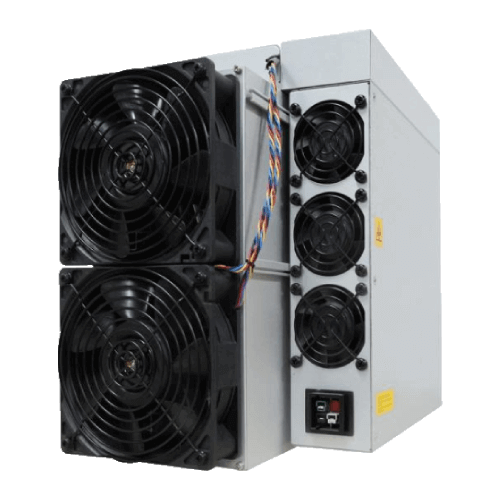
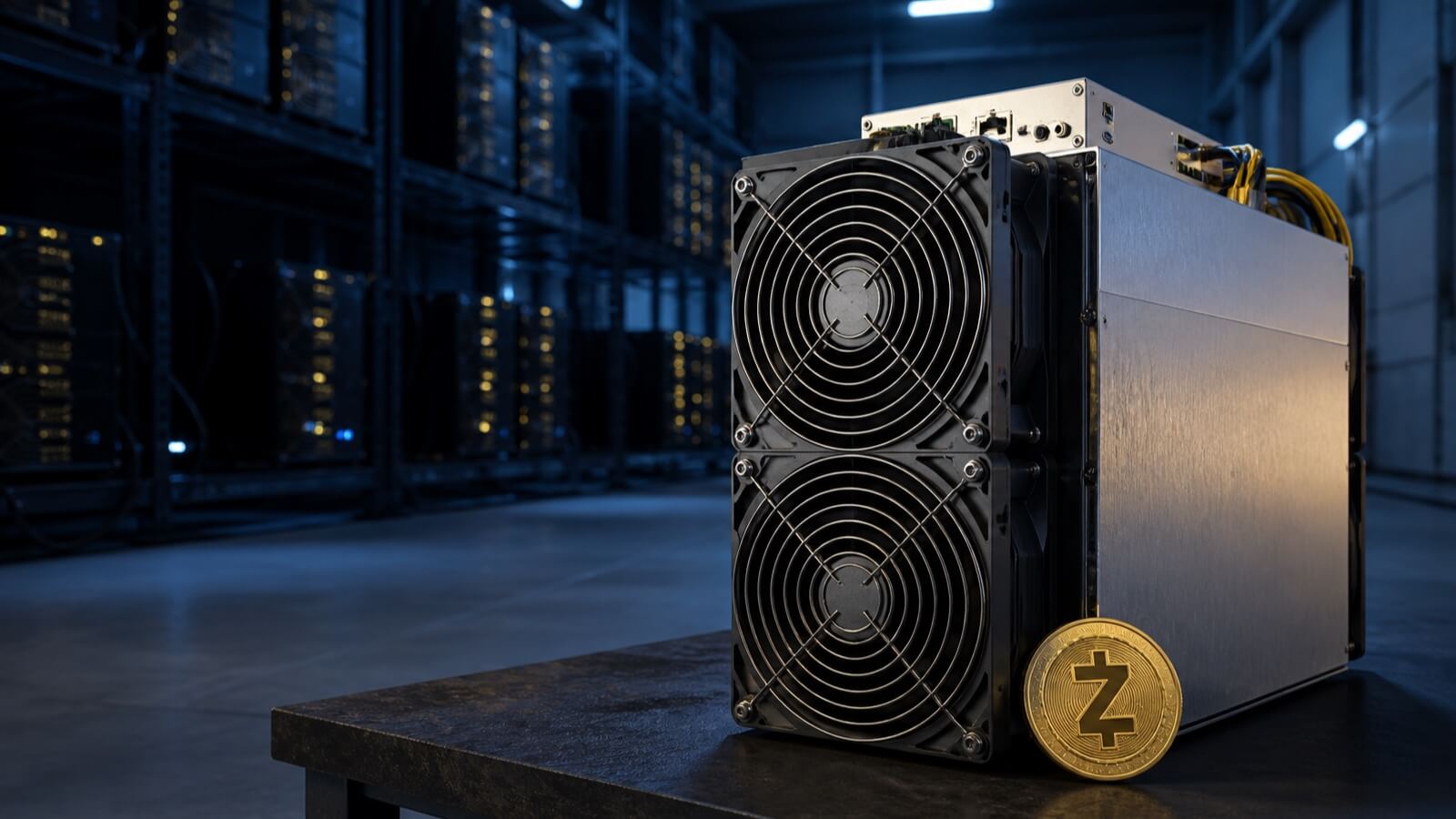
The hardware question is settled, and it has been since June 2020. When Bitmain released the Antminer Z15 at 420 kSol/s, GPU mining of Equihash became uncompetitive overnight, and today dedicated ASICs carry almost all of the network's hashrate. So mining Zcash in practice means one of two machines:
| Machine | Hashrate | Power | Efficiency | Noise |
|---|---|---|---|---|
| Antminer Z15 | 420 kSol/s | 1,510 W | 3.6 J/kSol | ~72 dB |
| Antminer Z15 Pro | 840 kSol/s | 2,780 W | 3.31 J/kSol | 75–80 dB |
The Pro delivers exactly double the hashrate at roughly double the draw, so efficiency differs only slightly. Notably, the Z15 at 1,510 W is one of the leanest ASICs in any category — and that single fact drives everything in the next section. Beyond the machine you'll need a pool account, a wallet, a stable connection, and somewhere to put roughly 72–80 dB of fan noise.
Why Zcash economics look different from everything else
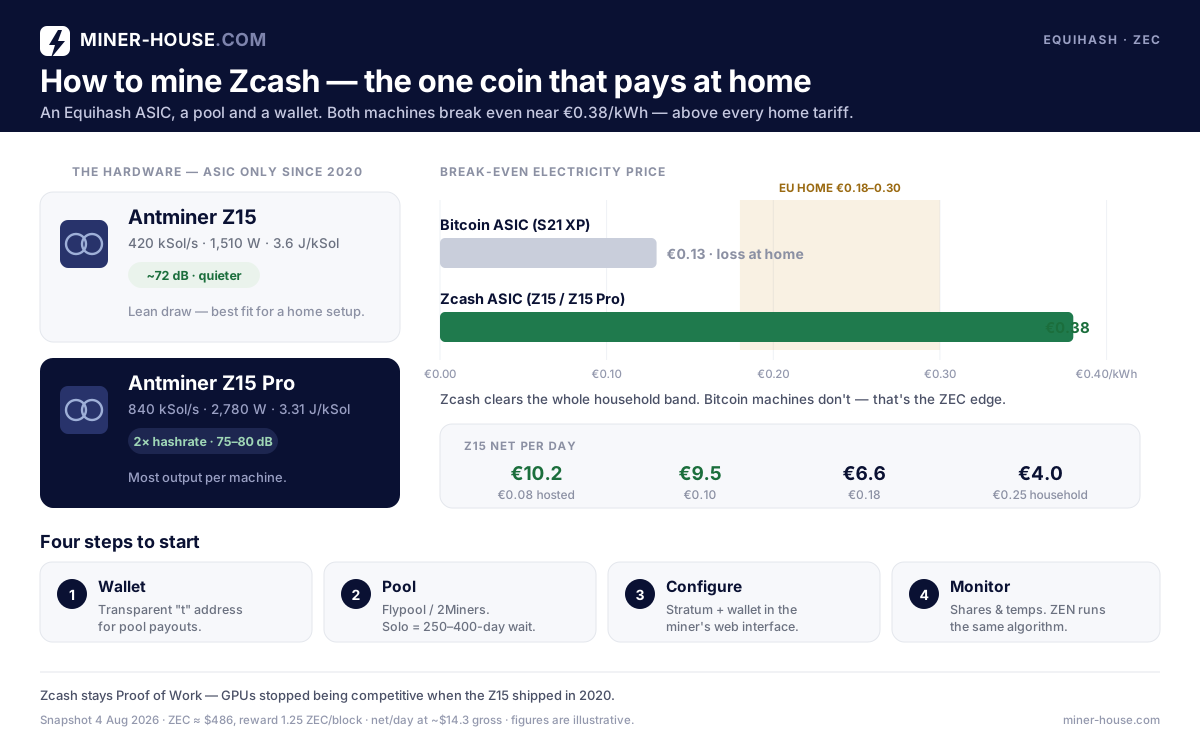
Here's what separates ZEC from the rest of the market. Every machine has a break-even electricity price — the rate at which mining revenue stops covering power. For efficient Bitcoin ASICs that threshold sits near €0.11–0.13/kWh, far below what European households pay. Both Zcash machines, by contrast, break even around €0.36–0.38/kWh.
Consequently, Zcash is currently the only major coin that stays profitable on ordinary European household electricity. Here's what a Z15 nets per day at three realistic EU tariffs, based on roughly $14.3 of gross daily revenue at current prices and difficulty:
| Electricity rate | Z15 net (420 kSol/s) | Z15 Pro net (840 kSol/s) |
|---|---|---|
| €0.08/kWh (hosted) | ≈ €10.2/day | ≈ €20/day |
| €0.10/kWh | ≈ €9.5/day | ≈ €19/day |
| €0.18/kWh | ≈ €6.6/day | ≈ €13.7/day |
| €0.25/kWh | ≈ €4.0/day | ≈ €9/day |
Above about €0.38/kWh the maths inverts, which puts German and Irish household tariffs out of range entirely — as our European electricity cost breakdown shows country by country. Everywhere else in Europe, a Zcash machine earns at the wall socket. Compare that against the thresholds in our profitability guide and the contrast is stark.
The flat-difficulty window — and what closes it

Normally a price rally pulls difficulty up behind it: profits attract machines, hashrate climbs, and the network raises difficulty until block times normalise. With Zcash that feedback loop has lagged unusually long, leaving difficulty flat while revenue per machine stayed high. You can watch it yourself on the live ZEC difficulty chart rather than taking anyone's word for it.
However, the correction is already booked. Zcash miner Fortitude has ordered $31.5 million of Bitmain hardware targeting a 145% capacity increase, shipping in Q4, deployed across more than 60 MW. When that hashrate arrives, difficulty rises and daily earnings per machine fall — mechanically, not speculatively. Anyone telling you today's returns are the baseline is selling something. Model your numbers at half of current revenue; if the decision still holds, it's sound.
How to start mining Zcash: four steps
- Get a wallet. Set up a Zcash wallet before anything else, since you'll need the address during pool configuration. Note that pools generally pay out to transparent addresses (starting with "t") rather than shielded ones, so check what your wallet and pool support.
- Choose a pool. Solo mining is a lottery here — a Z15 Pro would expect roughly 250–400 days between blocks. A pool converts that into small, steady payouts instead.
- Configure the miner. Connect it to power and Ethernet, open its web interface in a browser, and enter the pool's stratum address, your wallet address as the worker name, and a password. Our miner selection guide covers the setup context in more detail.
- Monitor and adjust. Watch your accepted-share rate and temperatures for the first days. Because Horizen (ZEN) runs the same Equihash algorithm, checking both coins occasionally and switching when the numbers favour one produces better annual returns than mining a single coin exclusively.
Choosing a Zcash mining pool
| Pool | Payout model | Notes |
|---|---|---|
| Flypool (Bitfly) | PPLNS | Consistently among the two largest ZEC pools; rewards steady 24/7 uptime |
| 2Miners | PPLNS or PPS+ | Transparent block stats; 0.01 ZEC minimum payout |
| ViaBTC / F2Pool | PPS variants | Large operators; higher 0.1 ZEC payout thresholds |
| AntPool / Mining Dutch | Various | Alternatives worth comparing on current fees |
Pool choice matters more on Zcash than on Bitcoin, because the network is smaller — hashrate concentration and payout minimums both affect how quickly rewards accumulate.
The risks nobody mentions
- Difficulty is coming. The Q4 hardware wave described above is the single most predictable threat to today's returns.
- ZEC is violently volatile. The coin traded near €644 in November 2025, fell to roughly €327 by April 2026, and sits near $486 now — while remaining about 85% below its all-time high. Your revenue moves with that line.
- Protocol risk is real. The Ironwood upgrade activated on 28 July 2026 specifically to retire the Orchard shielded pool, where Shielded Labs had found a counterfeiting bug that sat undetected for roughly four years. Around $1.7 billion was sealed, and ZEC dropped about 5% on activation. The response was fast and competent — nevertheless, privacy protocols carry engineering risk that Bitcoin doesn't.
- Industrial competition has cheaper power than you. Fortitude's new Nebraska facility cuts its cash cost per ZEC from roughly $70 to about $40. You are competing with that.
Who should mine Zcash — and who shouldn't
It makes sense for you if:
- Your electricity costs under ~€0.30/kWh, which covers most of Europe.
- You want to accumulate a privacy coin below market cost over 2–3 years.
- You have somewhere for the noise, or you'll use hosting.
- You've modelled your return at half of today's revenue and still like it.
It doesn't if:
- You're on a German, Irish or similarly high household tariff.
- You need predictable monthly income — ZEC's price history rules that out.
- You're buying purely because current returns look exceptional. Exceptional returns built on a rally are not durable ones.
FAQ: how to mine Zcash
How do you mine Zcash?
Is Zcash mining profitable in 2026?
What is the best miner for Zcash?
Can you mine Zcash with a GPU?
Which Zcash mining pool is best?
Should I mine Zcash solo?
Zcash is the one coin that still works at European power prices
We've sold and hosted mining hardware across Europe since 2015, and we'll tell you honestly when the numbers don't work for your setup. See the Antminer Z15 and current stock in our shop, or run the machine at industrial rates in our hosting datacentre. Send us your €/kWh and we'll calculate your actual Zcash numbers before you commit.
Disclaimer: We are not financial advisors. Every figure above is a snapshot for 4 August 2026; ZEC price, network difficulty and mining revenue change daily, and the Q4 hardware wave described above is expected to reduce per-machine earnings. Verify current numbers on a live calculator, do your own research, and never invest money you cannot afford to lose.