Currently Most Profitable Miner: Antminer Z15 (Zcash). Entire Miner List HERE

Part of MM-PRO GROUP · Slovakia's largest ASIC dealer since 2015 · Also visit our Slovak shop: ako-tazit-kryptomeny.sk

Bitcoin Lottery Miner: What €199 Actually Buys

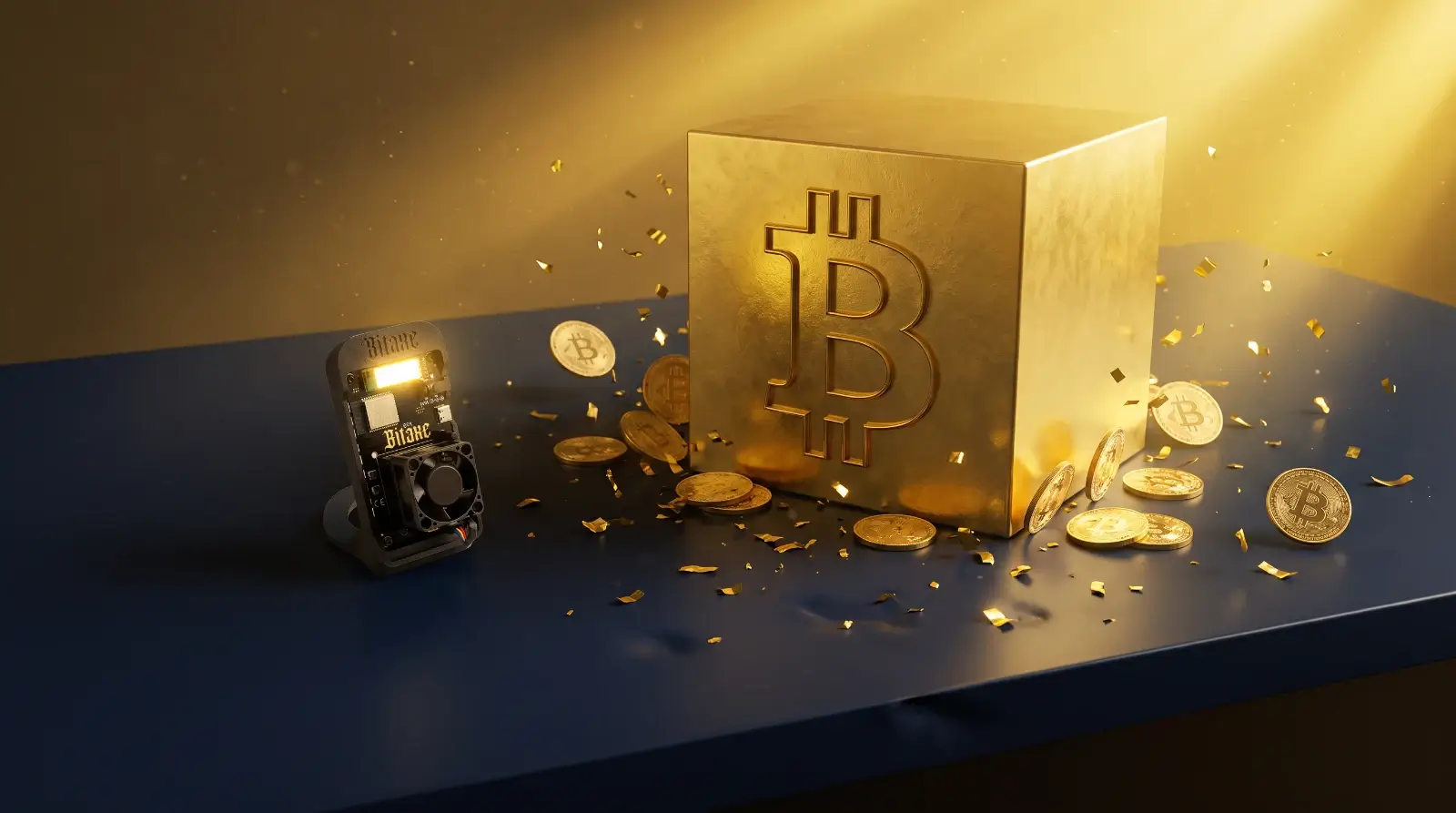
Bitcoin lottery miner — Bitaxe Gamma on a desk with a lottery ticket: ~$190,000 jackpot, 1 in 4.6 million daily odds, −€0.07 expected per day

Bitcoin Lottery Miners: What €199 Actually Buys You

A Bitcoin lottery miner is a small desk device — usually between €125 and €480 — that mines Bitcoin alone, hoping to find an entire block and win roughly $190,000 in one go. We sell several, and we're going to start this review with something most shops won't put in writing: none of them will pay for itself, and at European electricity prices every one of them is expected to lose money. We'll show you exactly how much, in euros per day. Then we'll explain why thousands of people buy them anyway, why we think that's a perfectly rational decision, and which device suits which buyer — because once you stop treating these as investments, they become rather good at what they actually do.

The devices

DeviceHashratePowerPrice
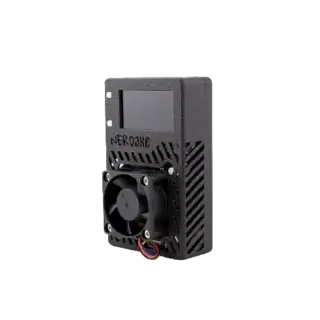
Nerdaxe Ultra0.5 TH/sUSB-C powered125€
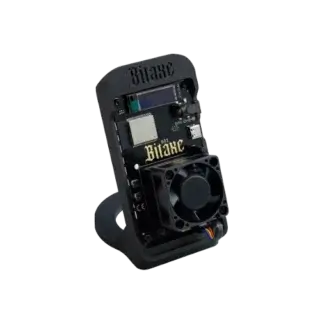
Bitaxe Gamma 6011.2 TH/s18 W199€
Bitaxe Supra Hex 7014.2 TH/s~90 W280€
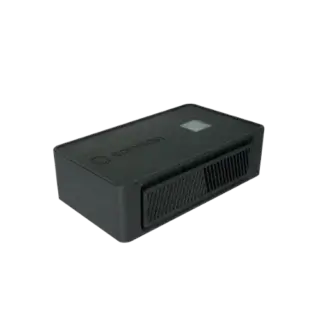
Avalon Nano 34 TH/s140 W310€
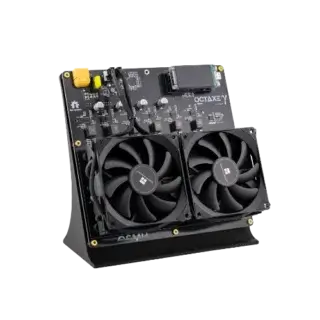
NerdOCTAxe Rev 3.112 TH/s8× BM1370480€

The chips inside aren't toys, incidentally. The Bitaxe Gamma runs a BM1370 — the same chip family Bitmain puts in the Antminer S21 Pro — at roughly 15 J/TH, which is better efficiency than most industrial machines managed two generations ago. The difference is quantity: an S21 carries hundreds of these chips, a Gamma carries one.

The odds, calculated properly

The arithmetic is simple enough to do yourself. The Bitcoin network runs at roughly 800 EH/s — that's 800 million TH/s, a figure you can check live on mempool.space — and produces 144 blocks a day. Your chance of finding one is your share of that hashrate, multiplied by 144.

DeviceChance of a block, per dayAverage wait
Nerdaxe Ultra (0.5 TH/s)1 in 11,000,000~30,000 years
Bitaxe Gamma (1.2 TH/s)1 in 4,600,000~12,700 years
Avalon Nano 3 / Supra Hex (~4 TH/s)1 in 1,400,000~3,800 years
NerdOCTAxe (12 TH/s)1 in 463,000~1,270 years

Those averages look absurd, and they are — but averages aren't the whole story with lotteries. In March 2025 someone running a Bitaxe Gamma 601 found a real block and collected around $263,000. The wait is measured in millennia; the actual outcome is decided on any given day.

What that's worth in euros per day

Here's the section nobody publishes. Multiply your daily odds by the block's value (roughly $190,000 today) and you get the device's expected daily earnings. Compare that against what it costs to run:

Bitaxe Gamma 601: expected earnings ≈ €0.04/day · electricity at €0.25/kWh ≈ €0.11/day
Net expectation: roughly −€0.07 per day, or about −€2 per month.

So the honest verdict is clear: on expected value, these devices lose money at European household rates, and the same holds whether you mine solo or into a pool. If your only goal is Bitcoin exposure, spending €199 on Bitcoin beats spending €199 on a Bitaxe — that comparison isn't close, and anyone telling you otherwise is selling.

But notice the size of the loss. Two euros a month is less than a single coffee, which reframes the whole purchase: you're not evaluating an investment with a bad return, you're pricing a hobby. And as hobbies go, that's remarkably cheap.

Solo or pool? The threshold trap

You can point these devices at a mining pool instead, trading the jackpot for tiny steady payouts. Before you do, run the numbers on the payout threshold, because this catches people out badly.

A Bitaxe Gamma earns roughly €0.05 of Bitcoin a day in a pool. At a pool with a 0.001 BTC minimum payout, reaching your first payment would take around three years. Choose a pool with a 0.0001 BTC threshold and it's a few months instead. For devices this small the threshold matters far more than the fee — our mining pool guide covers which pools pay out from the smallest balances. Alternatively, dedicated solo pools let you keep the lottery structure while handling the block-finding machinery for you.

So why buy one?

Because the expected value calculation measures only one of the five things you're actually getting.

  • You learn mining properly, for €199. Pools, wallets, stratum addresses, firmware, hashrate monitoring — the same skills a 3,500 W machine demands, without the dedicated circuit, the 75 dB or the four-figure mistake. Several of our customers bought a Bitaxe first and an industrial miner six months later.
  • It's silent. An 18 W Bitaxe sits on a desk and disappears into the background. That's the opposite of everything in our guide to ASIC miner noise, and it's why these are the only miners that genuinely work in a flat.
  • The heat isn't wasted in winter. A 140 W Avalon Nano 3 is a small heater that happens to mine — as our piece on heating with miners explains, a watt of mining is a watt of heating.
  • You're a real node in the lottery. Every solo miner is hashrate that no large pool controls. Modest individually, meaningful collectively.
  • The upside is genuinely life-changing. Improbable is not impossible, and the March 2025 block proves it. That's the actual product.

Which one should you buy?

  • Curious, smallest possible commitment → Nerdaxe Ultra (125€). Runs off a phone charger, silent, purely for learning.
  • Best all-round starter → Bitaxe Gamma 601 (199€). Modern chip, 18 W, excellent efficiency, and overclockable to about 1.8 TH/s if you add cooling.
  • You want the heat too → Avalon Nano 3 (310€). At 140 W it warms a desk corner through winter while it hashes.
  • Best odds per euro → NerdOCTAxe (480€). At 12 TH/s it's ten times likelier to hit than a Gamma, and it's the one to choose if the lottery is the point.

Who shouldn't buy one

  • Anyone expecting income. The expected value is negative and we won't pretend otherwise.
  • Anyone who'd be upset at spending €200 and receiving nothing back for years — which is the most likely outcome by a wide margin.
  • Anyone whose real goal is owning Bitcoin. Buy the coin instead; it's simply better maths.
  • Anyone wanting to mine seriously. That means industrial hardware at industrial power rates, which our profitability guide lays out.

FAQ: Bitcoin lottery miners

What is a Bitcoin lottery miner?
A small, low-power device — typically €125 to €480 — that mines Bitcoin solo rather than through a pool. It has a tiny chance each day of finding an entire block worth roughly $190,000, which is why it's called a lottery miner. Popular models include the Bitaxe Gamma, NerdOCTAxe and Avalon Nano 3.
What are the odds of a Bitaxe finding a block?
For a 1.2 TH/s Bitaxe Gamma, roughly 1 in 4,600,000 per day against a network running near 800 EH/s — an average wait of about 12,700 years. A 12 TH/s NerdOCTAxe improves that to around 1 in 463,000 daily. Improbable, but not impossible: a Bitaxe Gamma found a real block in March 2025.
Is a Bitcoin lottery miner profitable?
No, not on expected value. A Bitaxe Gamma's expected earnings work out near €0.04 per day against roughly €0.11 of electricity at €0.25/kWh — about €2 a month net loss. Buy one as an inexpensive hobby and a lottery ticket, not as an income device.
Should I solo mine or join a pool with a small miner?
Solo keeps the jackpot structure; a pool gives tiny steady payouts. If you pool, check the payout threshold carefully — a Bitaxe earning about €0.05 a day would need roughly three years to reach a 0.001 BTC minimum, versus a few months at a 0.0001 BTC threshold.
How much electricity does a Bitaxe use?
A Bitaxe Gamma 601 draws just 18 W, costing around €0.11 per day at €0.25/kWh, or roughly €3 a month. Larger devices use more: the Supra Hex about 90 W and the Avalon Nano 3 around 140 W, which doubles usefully as a small heater in winter.
Are these miners loud enough to bother anyone?
No — that's their main practical advantage. An 18 W Bitaxe is effectively silent and suits a desk or living room, unlike industrial ASICs at around 75 dB. The larger 90–140 W devices have small fans but remain far quieter than any full-size miner.

A lottery ticket that teaches you mining

We've sold mining hardware across Europe since 2015, and we'd rather you buy a €199 Bitaxe understanding exactly what it is than a €3,000 machine you regret. Browse the small miners in our shop — and when you're ready to mine for income rather than for fun, ask us about industrial hardware and our hosting datacentre, where the maths works very differently.

Disclaimer: We are not financial advisors. Odds and expected values above are calculated for 18 September 2026 using a network hashrate near 800 EH/s and a block reward of 3.125 BTC; both change continuously, as does the Bitcoin price. Solo mining outcomes are random — the overwhelmingly likely result is that a device of this size never finds a block. Never spend money you cannot afford to lose.

Your Cart

Your Cart

Your Cart is Empty

Start Shopping
Continue Shopping
Payment Details
Sub Total 0€